
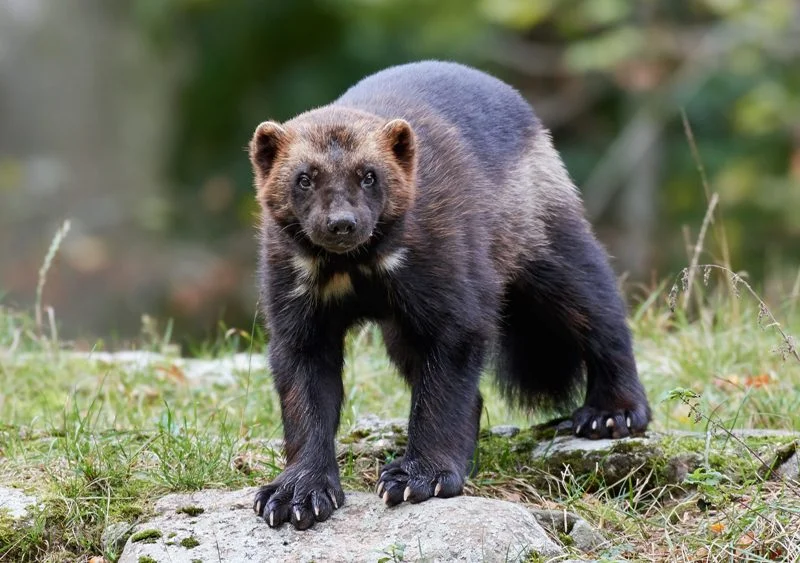
Wolverines Receive Endangered Species Act Protection

Get an AI-generated summary of this article.

AI-generated article summary

As the climate crisis melts away their snowy mountain homes, North American wolverines have been officially listed as threatened under the Endangered Species Act and will gain long-anticipated federal protections, US officials revealed Wednesday.

Warming temperatures are rapidly reducing the mountain snowpack that wolverines need for food, breeding, and survival. Scientists have warned that the species may become endangered, and the US Fish and Wildlife Service has designated wolverines as threatened in the contiguous US.
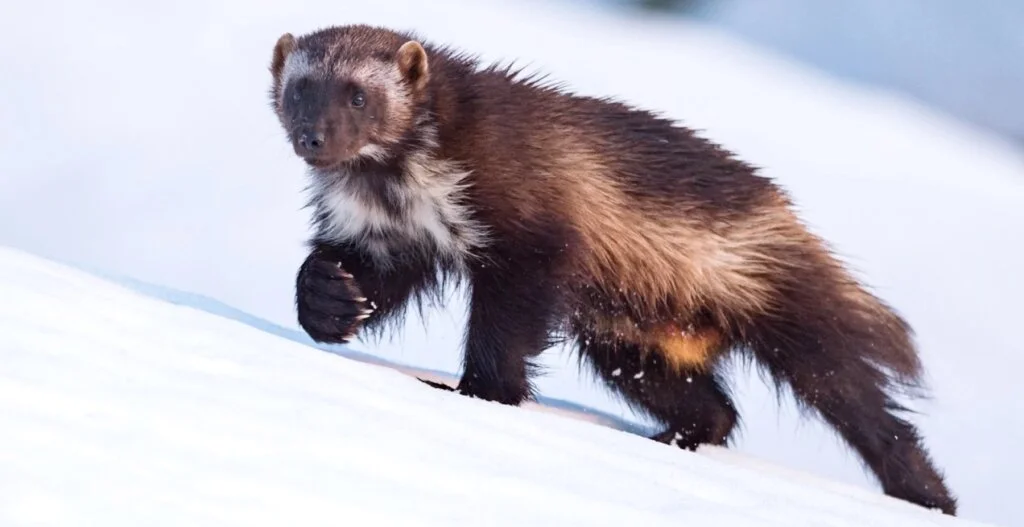
Danger to Wolverines natural habitat in America
A wolverine walks on snow in Glacier National Park, Montana.

Hugh Morrison, Pacific Regional Director of the Fish and Wildlife Service, stated, “The North American wolverine is in danger due to the current and increasing impacts of climate change and associated habitat degradation and fragmentation.” “This listing decision will help to stem the long-term impact and enhance the viability of wolverines in the contiguous United States, based on the best available science.”

By putting wolverines on the list, numerous environmental laws provide legal protections for the threatened species, halting further population declines. It also promotes increased scientific research and improved conservation activities to comprehend fragile species.

Wolverines’ habitat extends over large portions of North America, including the tundra and boreal forests of Alaska and Canada, as well as the Northern Rocky Mountains and North Cascades in the lower 48 states, where the populations are still mostly in good health.

However, many species adapted to the snow have become elusive in recent years.

Most recently, two wolverines in the Inyo National Forest and one in Yosemite National Park were among a rare trio of wolverines sighted in California’s Sierra Nevada Mountains last summer. Despite being listed as a threatened species under the California Endangered Species Act, scientists estimate that the last time the species was sighted in the area was between 2008 and 2018.

In 2018, federal scientists predicted that the wolverine population would plummet dramatically over the next few decades due to climate change, leading to a significant decline in spring snowfall. Higher temperatures may impact their capacity to maintain food supplies since they shorten the food’s shelf life and increase competition from robbers more suited to warmer regions, according to a different 2020 study.

For years, scientists and conservationists have been urging federal protections, and some environmental organizations, like the Center for Biological Diversity, have even filed lawsuits to meet their demands.

Under previous President Donald Trump, early efforts to safeguard the species were rejected in 2020, despite new science and mounting calls for federal protections. A federal judge mandated in 2022 that the Biden administration make a final determination regarding the idea.

Andrea Zaccardi, the legal director of the Center for Biological Diversity dedicated to carnivore conservation, emailed CNN, saying, “I’m thrilled that the Fish and Wildlife Service is finally following the science by granting wolverines the federal protections they need to survive and recover.” “I’m thrilled that wolverines are finally on the road to recovery; like so many other species, they waited far too long for federal protections.”

Separately, the US Fish and Wildlife Service is looking for public feedback on a temporary rule that would exempt situations in which legal trapping, research-related operations, or forest management practices aimed at lowering the danger of wildfires could unintentionally cause harm to the species.


About Writer

Nathan Enzo
Nathan Enzo
A professional writer since 2014 with a Bachelor of Arts in Journalism and Mass Communication, Nathan Enzo ran the creative writing department for the major News Channels until 2018. He then worked as a Senior content writer with LiveNewsof.com, including national newspapers, magazines, and online work. He specializes in media studies and social communications.

More News

Trump Criticizes Pope Leo Over Iran Peace Appeal

US President Donald Trump has sparked fresh controversy after publicly criticizing Pope Leo following the pontiff’s appeal for peace amid the ongoing Iran conflict. The clash highlights growing tension between political leadership in Washington and the Vatican’s moral stance on war and global diplomacy. The dispute began after Pope Leo made a strong statement urging world leaders to avoid further escalation and prioritize peace. Without directly naming Trump, the pope warned against using power or religion to justify war. His remarks were widely interpreted as criticism of US policy. Trump responded on social media, calling the pope weak on crime and...

Why Trump Is Blockading a Strait Iran Is Already Blocking

After peace talks in Islamabad collapsed, President Trump announced the US Navy would “immediately” begin blockading the Strait of Hormuz. There is one obvious question: why would the US blockade a waterway it has been demanding Iran reopen? The Strait Is Not Fully Closed Iran has not technically sealed the Strait completely. It has been allowing some vessels through in exchange for tolls of up to $2 million per ship. Crucially, Iran has kept its own oil flowing throughout the war, exporting an average of 1.85 million barrels per day through March, slightly above pre-war levels, according to data firm Kpler. The...

Islamabad Talks | US and Iran Fail to Reach a Deal After 21 Hours

The most significant US-Iran diplomatic meeting since the 1979 Islamic Revolution ended without a deal on Sunday. After 21 hours of face-to-face talks in Islamabad. Both sides left the table blaming each other. The ceasefire that expires April 22 now hangs by a thread. What Happened in the Room The talks were the first direct US-Iranian engagement since the 2015 top-level engagement. Vice President JD Vance led the American delegation alongside Steve Witkoff and Jared Kushner. Iran was represented by Parliament Speaker Mohammad Bagher Ghalibaf and Foreign Minister Abbas Araghchi. Al Jazeera's correspondent in Islamabad described the outcome as “neither a breakthrough...

US Iran Talks Could Reshape Middle East Power Balance

A Rare Diplomatic Moment Between US and Iran The United States and Iran have entered a critical phase of diplomacy as both countries begin direct negotiations in Islamabad, Pakistan. These US Iran talks come after weeks of rising tensions that brought both nations close to conflict. While a temporary ceasefire is currently in place, the situation remains fragile. This meeting is significant because it represents one of the few direct engagements between Washington and Tehran in recent history. For decades, relations between the US and Iran have been shaped by mistrust and political conflict. The decision to begin talks shows that...

Five points to know about Iran US Talks in Islamabad

Pakistan is hosting one of the most consequential diplomatic meetings in decades. The United States and Iran are holding their highest level talks in years in Islamabad, in a Pakistan brokered bid to turn a fragile two week ceasefire into a lasting end to a war that has roiled global energy markets. The War That Made These Talks Necessary On February 28, the US and Israel launched deadly coordinated strikes that killed Supreme Leader Ali Khamenei and struck Iran's military and nuclear infrastructure. More than 3,000 people were killed in Iran in five weeks, according to Iranian media and...

Latest Articles