


AI-generated article summary
Two Months Into the Iran War
When Donald Trump launched the war on Iran on February 28, he told the world it would be quick, decisive, and worth it. Ten days in, he said the United States had already won the war “in many ways.”
Two months later, a definitive end to the conflict is nowhere in sight. A ceasefire is in place but fragile. Diplomacy keeps stalling. And almost every country pulled into this war willingly or not is paying a price it did not budget for.
“There aren’t any real winners from the war, but there are some countries that are comparatively well-positioned to manage its effects,” Melanie Sisson, a senior fellow at the Brookings Institute, told CNN.
The Iranian People
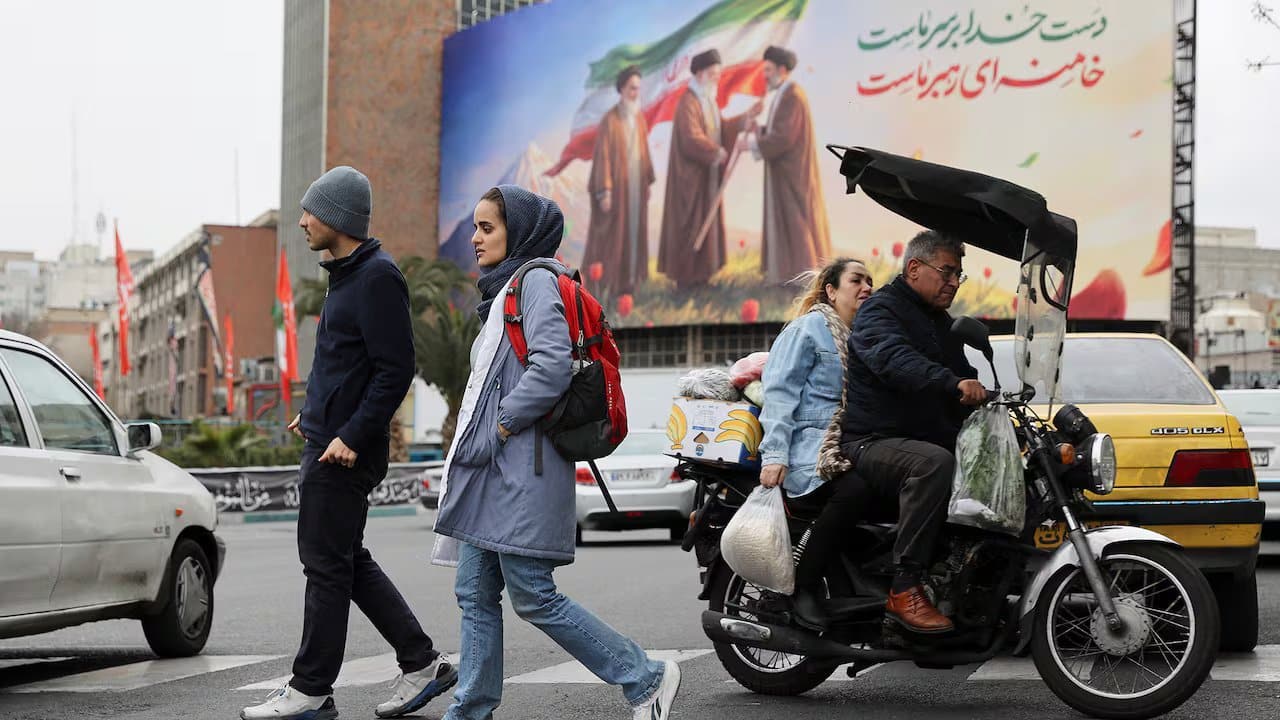
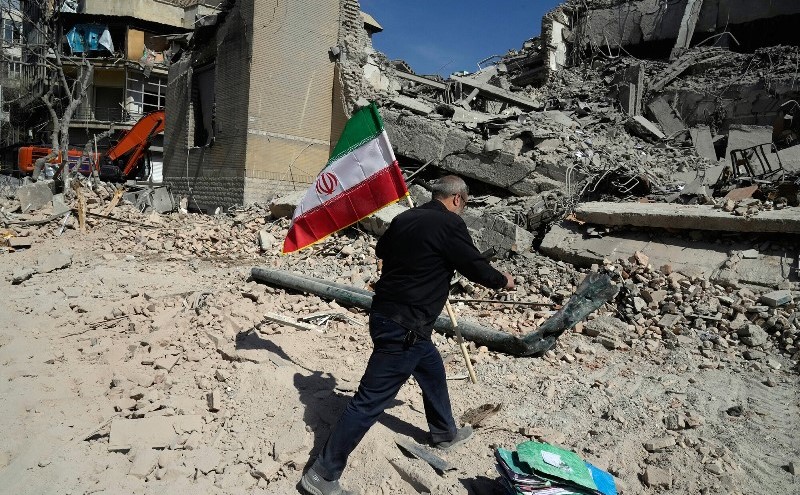
It is always civilians who pay the heaviest price in any war. In Iran, that reality is particularly brutal. The US and Israel have struck thousands of targets inside the country, including some civilian infrastructure, killing more than 3,600 people. More than 1,700 of those confirmed deaths are civilians, according to the advocacy group Human Rights Activists in Iran. Trump has gone as far as threatening to destroy Iran’s entire civilisation if its leadership refuses to make a deal.
The violence is not only coming from outside. The Iranian regime has dramatically escalated its crackdown on internal dissent since the war began. Rights groups report that more than 600 people have been executed by the government since the start of the year, following thousands of deaths during protests in late December and January. Iranians have also lived under a government-imposed internet blackout for over eight weeks.
The economy has collapsed further. Jobs are disappearing. Poverty is rising. The people of Iran had no vote in starting this war. They are paying for it anyway.
The Lebanese People
More than 2,500 people have been killed in Lebanon by Israeli strikes since they began on March 2, according to the Lebanese Health Ministry. Lebanon was dragged into the conflict when Hezbollah began firing at Israel following the killing of Iran’s supreme leader, triggering a massive Israeli military response.
A CNN analysis of satellite imagery found that Israel has adopted a similar strategy in Lebanon to the one it previously used in Gaza, razing entire villages to the ground. Israel has also said that the 600,000 people displaced in southern Lebanon will not be allowed to return until Hezbollah no longer poses a threat to northern Israel.
Gulf Countries
The Gulf states spent decades building stability and prosperity. They wanted no part of this war and actively tried to prevent it. The UAE has been the hardest hit, struck by more Iranian missiles and drones than any other country in the region, including Israel. While most have been intercepted, the sustained threat has damaged the country’s reputation as a safe hub for business and tourism.
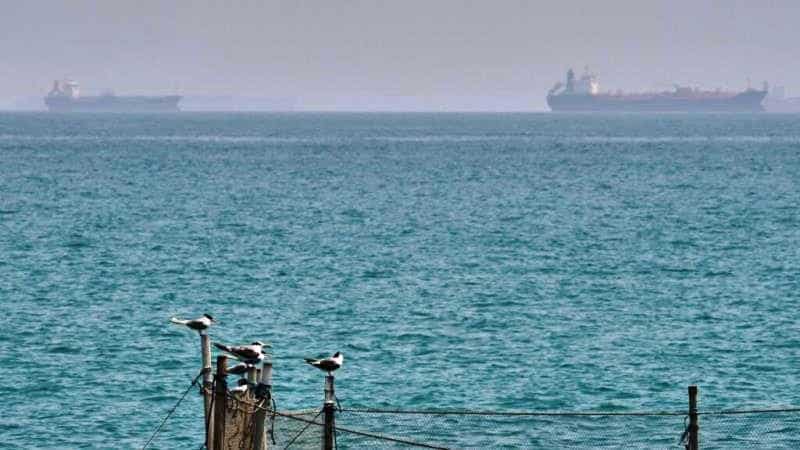
The closure of the Strait of Hormuz has been crippling for Iraq, Qatar, and Kuwait, which depend on the waterway to export their oil, gas, and other goods. The IMF has cut its growth forecasts for all three countries and now expects their economies to contract this year.
The American People
The war is hitting American wallets hard. Gas prices are up, air tickets cost more, and some businesses have started adding fuel surcharges. Annual inflation rose to 3.3% in March, jumping from 2.4% in February. Consumer sentiment is falling sharply.
“There’s not a delicate way to say it: the situation for the United States right now is not good,” Sisson said. “The US economy is heavily dependent on oil to fuel transportation of people and goods and is under-invested in renewable energies.”
The Global Economy
The damage is not confined to the Middle East or the US. Asia has been hit particularly hard, with many countries in the region relying on oil and petrochemical imports for manufacturing. People in Latin America are struggling with higher energy and food prices. Economies across Africa are feeling the strain. The European Central Bank has warned of a major economic shock ahead.
Before the war, global inflation was expected to slow to 3.8% this year. The IMF now projects 4.4%. Global economic growth has also been revised down from 3.3% to 3.1%. The poorest countries will feel the effects longest, particularly through rising fertiliser prices and food import costs.
Donald Trump Too Early Call
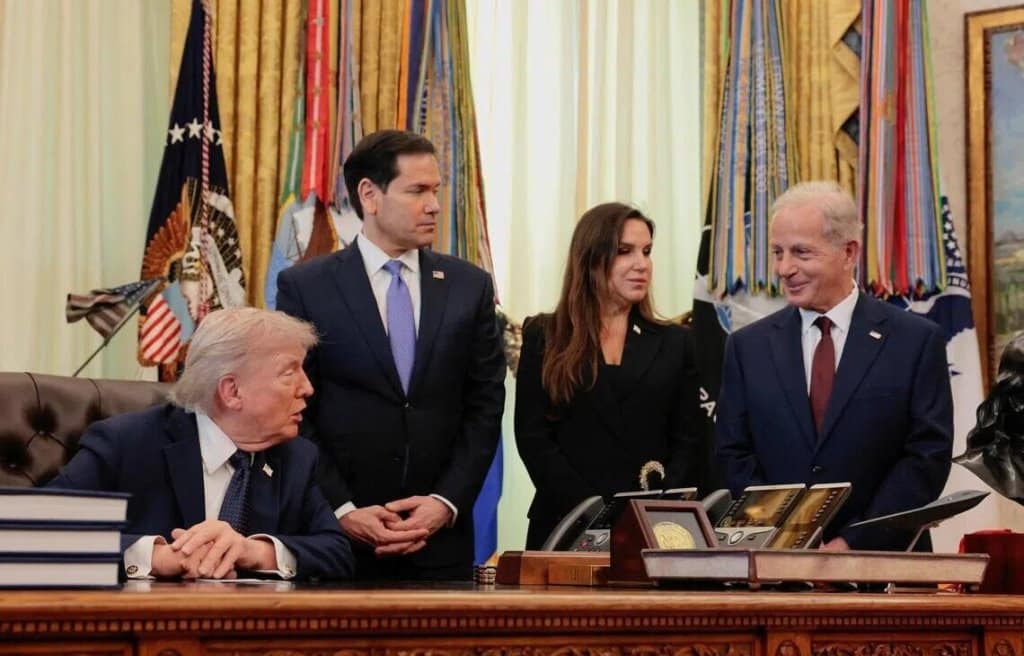
Trump took an enormous gamble. It has not paid off yet. He pledged a short war aimed at ending Iran’s nuclear and missile threats and possibly toppling its regime altogether. Neither goal has been achieved. A CNN poll of polls now shows his approval rating sitting at just 37%.
“Politically, gas prices are already bad and getting worse. And diplomatically, Trump looks weak,” Sisson said. Trump could still come out ahead if Iran is eventually forced into full capitulation but that does not look likely in the near future.
Israel and Netanyahu
Netanyahu convinced Trump that a joint strike on Iran was not just justified but necessary. In an election year in Israel, the destruction of much of Iran’s military capability could give him a political boost. But multiple polls show that while most Jewish Israelis support the war, they do not believe the US and Israel are winning it. The war has deepened Israel’s international isolation and created renewed security fears for communities in northern Israel facing renewed Hezbollah activity.
The regime has lost senior figures, including longtime Supreme Leader Ayatollah Ali Khamenei, and taken serious military damage. But it is still standing. The new leadership appears more radical than the previous one, and crucially, Iran has demonstrated it can hold the global economy hostage by closing the Strait of Hormuz a move that has given it significant new diplomatic leverage going forward.
“They rolled the dice, and they have now demonstrated that they have de facto control over the strait. That has significant implications going forward,” said Mona Yacoubian of the Center for Strategic and International Studies.
Ukraine From Aside
Ukraine has taken hits in the short term. Key weapons deliveries have been delayed as US production capacity is stretched by the Iran conflict. The world’s attention has also shifted away from Kyiv, with the US negotiating team now focused on Tehran.
But there is an unexpected opening. Four years of fighting Russia have made Ukraine one of the world’s leading experts in drone warfare, and Gulf states are now paying attention. “This war has created some interesting openings for Ukraine in the Gulf,” Yacoubian said a relationship that could matter long after this conflict ends.
THE QUIET WINNERS OF IRAN US WAR
CHINA
China spent the past decade building oil stockpiles, diversifying its energy sources, and accelerating its shift to domestic renewable power. That preparation is now paying off. While high oil prices are punishing most economies, China is weathering the storm relatively well. Its insulation from the worst of the shock also positions it to sell more solar panels and wind turbines as global demand for alternatives to fossil fuels accelerates.
There is also a reputational dimension. The US has taken a significant global hit for launching an unpopular war. China has positioned itself as an advocate for peace and international law, gaining soft power at exactly the moment the US is spending it. The conflict has also pulled US military assets away from Asia, thinning the deterrence posture in a region where China is steadily asserting more power.
Fossil Fuel Companies
The six largest oil companies Chevron, Shell, BP, ConocoPhillips, Exxon, and TotalEnergies are projected to make a combined $94 billion in profits this year, according to a report from Oxfam. High and volatile oil prices are ideal conditions for energy companies, even as they are devastating for everyone else. However, the windfall is already generating political pressure for windfall taxes across multiple countries.
Russia
High oil and fertiliser prices have delivered a financial boost to Moscow, with Russia’s energy revenues nearly doubling in March to $19 billion from $9.75 billion in February, according to the International Energy Agency. The US also temporarily eased sanctions on Russian crude to inject more supply into the market during the price spike an ironic consequence of a war started partly to pressure adversaries.
However, Ukraine’s continued strikes on Russian oil facilities, ports, and refineries are limiting how much oil Russia can actually sell, complicating the picture.
Renewable Energy and Weapons Manufacturers
The oil crisis has given clean energy a major political tailwind. The European Commission launched a new strategy specifically citing fossil fuel price shocks as a core reason to accelerate the expansion of domestic renewable energy. The demand for alternatives is growing fast, even if rising costs for materials like aluminium are making some renewable technology more expensive in the short term.
Global military spending rose 2.9% last year to $2.19 trillion, according to the Stockholm International Peace Research Institute, driven by states responding to “another year of wars, uncertainty, and geopolitical upheaval.” Weapons makers are seeing strong order books even as some defence company shares have softened over uncertainty about future US policy.
What we are seeing?
Two months in, this war has not produced a clear winner. It has produced a very clear bill paid by Iranian civilians, Lebanese families, Gulf economies, American consumers, and markets across the world. The people who benefit are mostly those already powerful enough to absorb a global shock or position themselves to profit from one.
Trump promised swift and decisive. What the world got instead is slow, expensive, and unresolved. The Islamabad talks collapsed. The ceasefire keeps getting extended. Diplomacy keeps stalling. And somewhere in the Gulf of Oman, US destroyers are still turning ships around.
