


AI-generated article summary
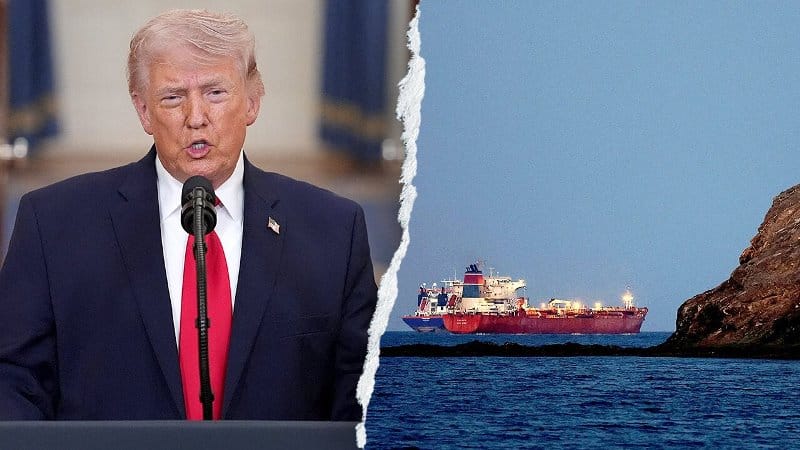
After peace talks in Islamabad collapsed, President Trump announced the US Navy would “immediately” begin blockading the Strait of Hormuz. There is one obvious question: why would the US blockade a waterway it has been demanding Iran reopen?
The Strait Is Not Fully Closed
Iran has not technically sealed the Strait completely. It has been allowing some vessels through in exchange for tolls of up to $2 million per ship. Crucially, Iran has kept its own oil flowing throughout the war, exporting an average of 1.85 million barrels per day through March, slightly above pre-war levels, according to data firm Kpler.
The US Navy had been allowing Iranian tankers to pass because any oil leaving the region helps keep global prices in check. Washington even granted Iran a temporary one-month sanctions waiver in March, freeing roughly 140 million barrels worth of oil for sale to Western buyers instead of exclusively to China, Iran’s largest customer.
By interdicting ships that have paid Iran’s toll, Trump cuts off a key source of financing for Iran’s military operations. The risk is a sharp spike in global oil prices, which have already risen since the war began. The administration has tried multiple levers to manage energy costs: coordinating emergency reserve releases globally and desanctioning Russian oil last month.
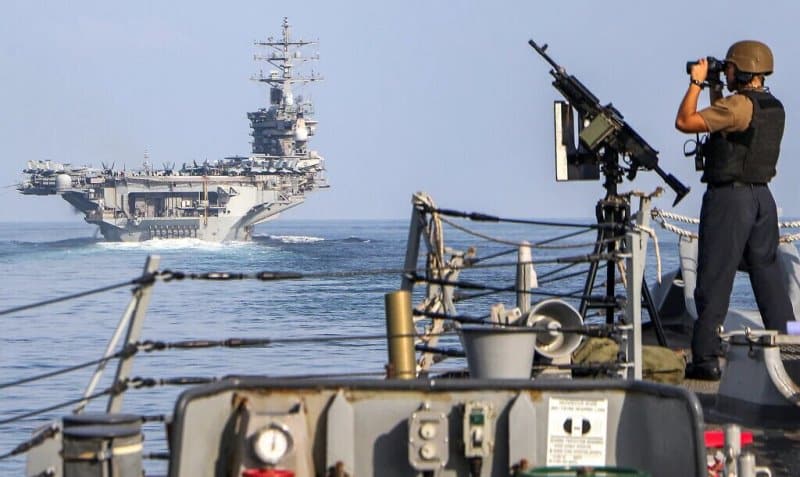
The blockade represents a shift from damage control to maximum pressure, accepting the risk of higher oil prices to force Iran back to the negotiating table before the ceasefire expires on April 22.
Iran’s Revolutionary Guard said the Strait of Hormuz remains open for civilian vessels, but warned that military ships “will be dealt with severely.” Tehran also said it will not bow to threats, setting up a confrontation between the two navies in one of the world’s most critical energy chokepoints.
