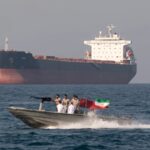
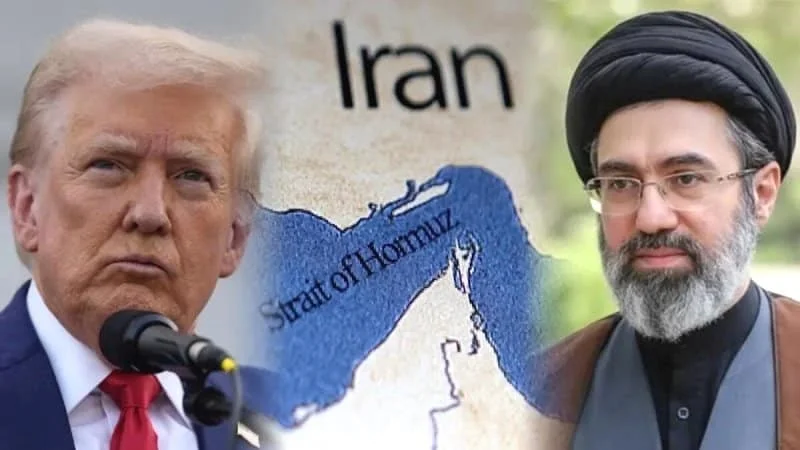
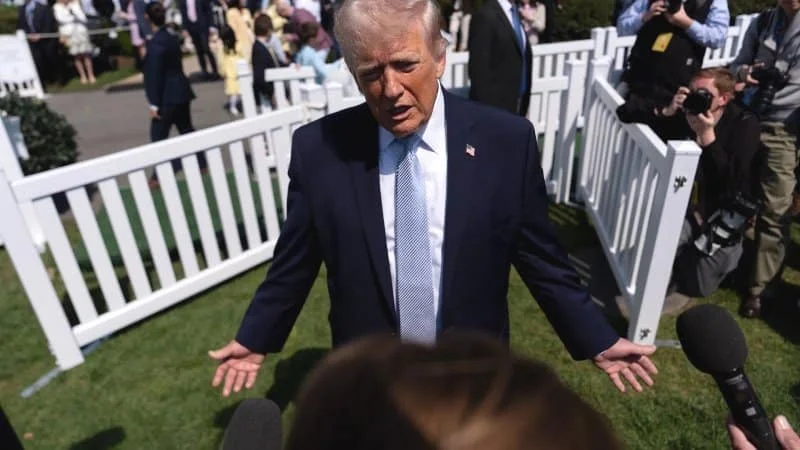
Just hours before his own deadline, US President Donald Trump announced a two week ceasefire with Iran on Tuesday evening. The deal came after weeks of threats, failed proposals, and intense diplomacy led by Pakistan. Trump agreed to suspend all bombing and attacks on Iran for two weeks on the condition that Iran reopens the Strait of Hormuz completely, immediately, and safely.
How the deal happens sudden last night?
The breakthrough happened fast. Earlier in the day, Trump had warned the world in a Truth Social post that “a whole civilization will die tonight, never to be brought back again” if no agreement was reached before 8 p.m. ET.
Yet behind the scenes, Pakistan was working around the clock. Pakistani Prime Minister Shehbaz Sharif asked Iran to reopen the Strait of Hormuz for two weeks as a goodwill gesture and urged all parties to observe a ceasefire to allow diplomacy to reach a permanent end to the war.
Trump credited the deal directly to conversations with Pakistani Prime Minister Shehbaz Sharif and Field Marshal Asim Munir, calling it a “double sided ceasefire.”
Trump wrote that the US received a 10 point proposal from Iran and believes it is “a workable basis on which to negotiate,” adding that almost all points of past contention have been agreed between the two sides.
Iran Confirms the Ceasefire
Tehran confirmed the deal on its own terms. Iran’s Foreign Minister Seyed Abbas Araghchi said safe passage through the Strait of Hormuz during the two week period will be possible via coordination with Iran’s Armed Forces, subject to technical limitations.
Iran’s Supreme National Security Council released a statement framing the outcome as a win for Tehran. The council said “nearly all of the war’s objectives have been achieved” and that the enemy had been driven into “a state of historic helplessness and enduring defeat.”
The council also confirmed that peace talks will begin on Friday, April 10, in Islamabad.
What Iran’s 10 Point Plan Actually Includes
Iran did not just agree to the ceasefire quietly. The 10 point plan submitted to the US includes controlled passage through the Strait of Hormuz coordinated with Iran’s armed forces, an end to the war against all components of the resistance axis, withdrawal of US combat forces from all regional bases, and a secure transit protocol that keeps Iranian control under the agreed framework.
Iran’s full demands also include the lifting of all sanctions, release of frozen Iranian assets, and full payment of Iran’s war related damages.
Markets React Sharply
The markets did not wait for morning. Oil prices plunged over 14% to below $100 a barrel following the announcement, while US stock futures surged and major indexes indicated a strong opening on Wednesday.
The S&P 500 futures signaled the index could open more than 2% higher on Wednesday.
Trump added a characteristically optimistic note in his Truth Social post. He wrote that “big money will be made” and that Iran can now “start the reconstruction process,” finishing with “This could be the Golden Age of the Middle East.”
Israel’s Position
Israel confirmed it supports the ceasefire but drew a clear line. Israeli Prime Minister Benjamin Netanyahu’s office said Israel supports Trump’s decision to suspend strikes against Iran for two weeks, subject to Iran immediately opening the strait and stopping all attacks on the US, Israel, and countries in the region. However, Lebanon is not covered under this ceasefire.
The Strait of Hormuz Toll Question
One issue still unresolved is who controls and profits from passage through the strait. Iran and Oman plan to charge transit fees for vessels passing through the Strait of Hormuz during the two week ceasefire, with funds earmarked for reconstruction.
Trump has previously floated the idea of the US imposing its own tolls, and told reporters he would be open to the idea of joint control with Iran over the waterway.
The ceasefire is temporary. Both sides have two weeks to turn this agreement into something permanent at in person talks in Islamabad on April 10.
White House Press Secretary Karoline Leavitt called the ceasefire “a victory for the United States,” saying Trump’s military pressure got Iran to agree to reopening the Strait of Hormuz.
The gap between both sides remains wide. Iran wants sanctions lifted and troops withdrawn. The US wants a nuclear commitment and full commercial shipping restored. Pakistan now holds one of the most important diplomatic stages in the world, and the next two weeks will define whether this becomes a real peace or just another pause.