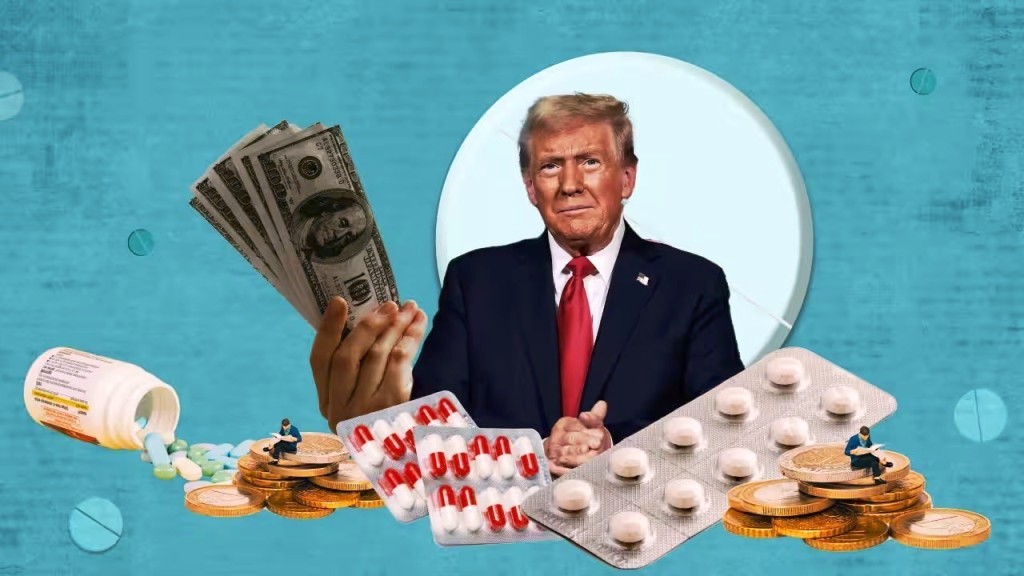
On Monday, May 5, 2025, President Donald Trump signed an executive order to bolster U.S. pharmaceutical manufacturing. The order aims to reduce reliance on foreign drugs as tariffs on imports loom. It directs the Food and Drug Administration (FDA) to accelerate approvals for new U.S. manufacturing plants by eliminating unnecessary regulations, streamlining review processes, and providing early guidance to domestic drugmakers.
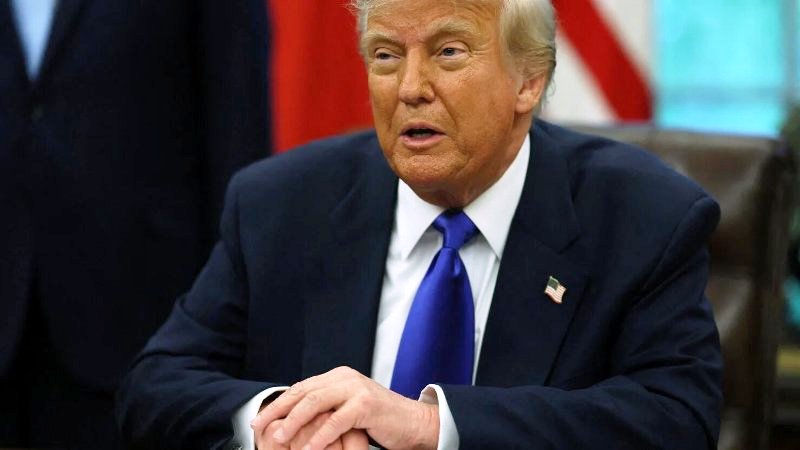
“We don’t want to be buying our pharmaceuticals from other countries because if we’re in a war, we’re in a problem, we want to be able to make our own,” Trump emphasized in a White House fact sheet.
He added, “As we invest in the future, we will permanently bring our medical supply chains back home. We will produce our medical supplies, pharmaceuticals, and treatments here in the United States.”
The White House highlighted that building new pharmaceutical facilities currently takes 5-10 years, a delay called “unacceptable from a national-security standpoint.”
The order addresses this by tasking the Environmental Protection Agency (EPA) with speeding up construction approvals and requiring federal agencies to designate a single point-of-contact to coordinate permits, with oversight from the White House Office of Management and Budget.
According to FDA Commissioner Marty Makary, the executive order enables the FDA to conduct more inspections of new U.S. facilities without additional resources. It also tightens oversight of foreign manufacturing plants by increasing inspection fees, enforcing stricter reporting of active-ingredient sources, and considering public listings for non-compliant facilities.
Makary criticized past practices, stating, “We had this crazy system in the United States where American pharma manufacturers … are put through the ringer with inspections, and the foreign sites get a lot easier with scheduled visits, while we have surprise visits.” To level the playing field, the FDA will shift to unannounced inspections of overseas plants, aiming to ensure quality and compliance.
The order comes as Trump prepares to announce tariffs on imported pharmaceuticals within two weeks. This follows a Section 232 investigation launched in April 2025 to assess the national security risks of foreign drug reliance.
The tariff threat has already caused domestic investment, with companies such as Eli Lilly, Johnson & Johnson, and AbbVie revealing that they were going to enlarge U.S. manufacturing to be more consistent with Trump’s agenda and to evade possible tariffs. However, Pfizer CEO Albert Bourla warned last week that tariffs could deter further U.S. research and development and manufacturing investments, citing increased costs and uncertainty.
The U.S. pharmaceutical industry has shifted much of its production overseas in recent decades, driven by lower labor and operational costs. In 2023, the U.S. imported $203 billion in pharmaceutical products, with 73% sourced from Europe—primarily Ireland, Germany, and Switzerland—according to EY analysis.
Active pharmaceutical ingredients (APIs), critical for drug production, are predominantly manufactured in China, raising concerns about supply chain vulnerabilities, especially during global disruptions like pandemics or conflicts. The FDA stated that reliance on this material risks public safety because the absence of international sources can result in limited access to necessary medicines.
While the report by GlobalData from April 2025 states that the domestic supply of pharmaceuticals will strengthen the chain of supply, it may also cause drug shortages and lead to a situation where drugs are not affordable for consumers.
The White House is of the opinion that major advantages of domestic production security, job creation, and supply stability far outweigh those of the short-run cost.
Even though some experts are raising specific cautious voices who foresee the tariffs and reshoring having a dangerous impact on the pharmaceutical market, Trump’s decree would contribute to the consolidation of the American pharmaceutical market and subsequently improve its reliability, in addition to protecting and benefiting U.S. patients.
However, the Trump order does not conflict with the “America First” policy but rather is instrumental in securing the sector for the issue of national security, and the priority. The pharmaceutical industry, vital for public health and national security, has faced scrutiny since the COVID-19 pandemic exposed vulnerabilities in global supply chains.
The executive order builds on previous work, like the 2020 “Buy American” initiative. Still, it clarifies the matter by giving businesses more reasons to produce at home. While the U.S. is dealing with implementing tariffs and industry resistance, the trade-off between security, cost, and innovation is how the American pharmaceutical industry will move forward.