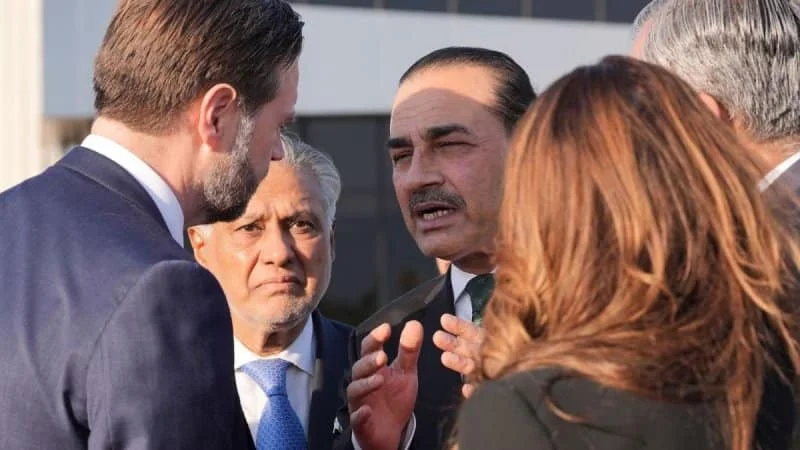
The most significant US-Iran diplomatic meeting since the 1979 Islamic Revolution ended without a deal on Sunday. After 21 hours of face-to-face talks in Islamabad. Both sides left the table blaming each other. The ceasefire that expires April 22 now hangs by a thread.
What Happened in the Room
The talks were the first direct US-Iranian engagement since the 2015 top-level engagement. Vice President JD Vance led the American delegation alongside Steve Witkoff and Jared Kushner. Iran was represented by Parliament Speaker Mohammad Bagher Ghalibaf and Foreign Minister Abbas Araghchi.
Al Jazeera’s correspondent in Islamabad described the outcome as “neither a breakthrough nor a breakdown.” Pakistan’s Foreign Minister Ishaq Dar urged both sides to uphold the ceasefire and continue engagement.
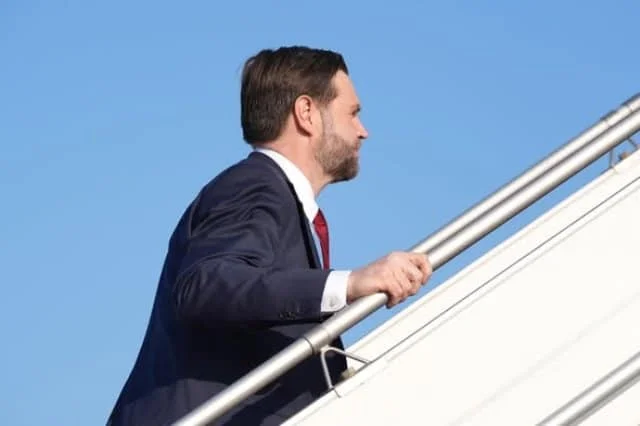
Vance said the core sticking point was Iran’s refusal to commit to abandoning its nuclear weapons program. “The bad news is that we have not reached an agreement. And I think that’s bad news for Iran much more than it’s bad news for the United States,” he told reporters before boarding Air Force Two.
Iran’s Ghalibaf said the US failed to gain the trust of the Iranian delegation. Iranian media reported that the Strait of Hormuz and the nuclear program were the main points of difference, while some progress was made on other issues.
Hours after talks collapsed, Trump announced the US Navy would immediately begin blockading the Strait of Hormuz. The ceasefire remains technically in place until April 22, but both sides now face pressure to either return to the table or resume full hostilities.