
The U.S. The Navy’s retail system, known as the Navy Exchange, has long served military personnel and their families by offering tax-free goods and convenient on-base shopping. But today, this system is facing one of its biggest challenges.
Competition from retail giants like Amazon and Walmart is putting increasing pressure on the Navy Exchange, raising concerns about its long-term sustainability.
Despite generating billions in annual revenue, Navy Exchange stores have experienced a steady decline in sales over the past decade.
Shoppers today prioritize convenience above all. Amazon offers fast delivery at any hour, while Walmart provides easy access both online and in physical stores. Even for military families, the ease of using these alternatives often outweighs the benefits.
Matters Beyond Retail
The impact of declining sales goes beyond business. Profits from Navy Exchange stores help fund essential programs for military communities, including recreation, childcare, and support services.
As revenues decline, these programs could face reduced funding, directly affecting the quality of life for service members and their families.
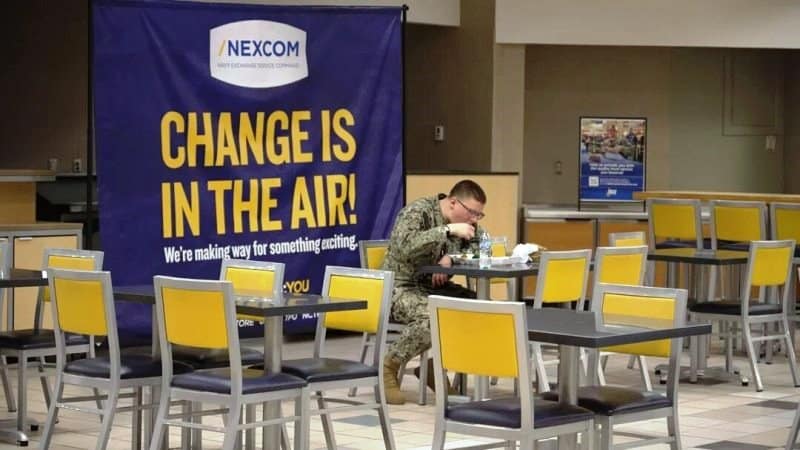
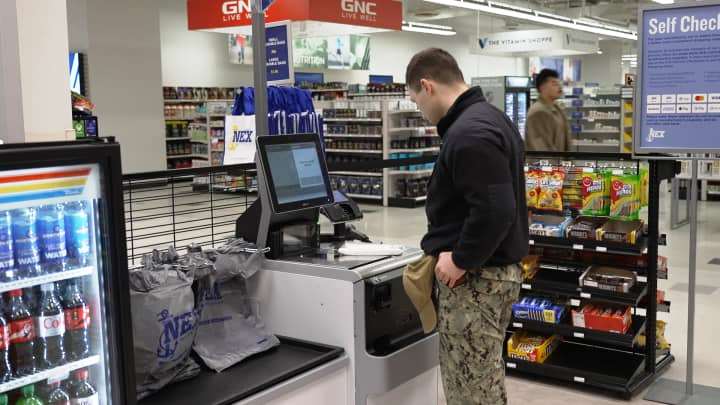
To adapt, the Navy Exchange has begun investing in modernization efforts, including upgrading stores and improving customer experience.
However, competing with companies like Amazon and Walmart requires not just better stores, but a complete shift in how services are delivered.
The future of military retail will depend on how well it can adapt to modern consumer expectations.
If the Navy Exchange successfully evolves, it could continue to serve as a vital support system for military communities. If not, it risks losing relevance in an increasingly competitive retail landscape.