
Apple Removes ICE-Tracking Apps Under Trump Pressure

Get an AI-generated summary of this article.

AI-generated article summary

On October 2, 2025, Apple removed not only the ICEBlock app but also all related software from its App Store. The app had been in the spotlight since its launch in April, and most had reached one million downloads, allowing users to secretly file local alerts of ICE agents’ presence within a five-mile radius.

Apple stated, “Based on information we’ve received from law enforcement about the safety risks associated with ICEBlock. We have removed it and similar apps from the App Store.” The removal occurred hours after the DOJ contacted Apple, as confirmed by Attorney General Pam Bondi in a statement to Fox Business.
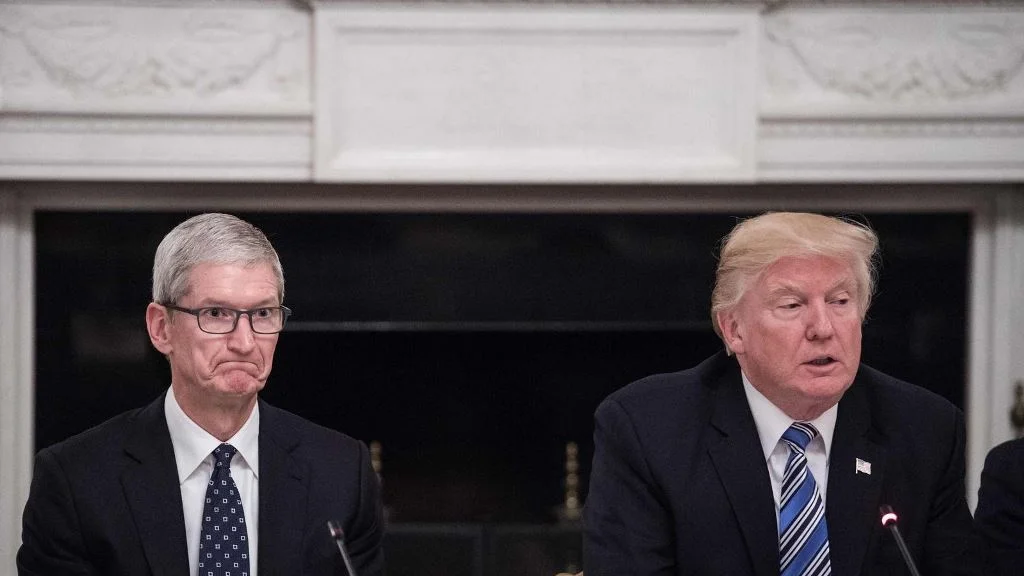
 Apple removed ICEBlock and similar apps from the store after Trump demands.
Apple CEO Tim Cook engaged in a conversation with US President Donald Trump during a technology summit held at the White House in June © AP via Getty Images.

ICEBlock emerged amid Trump’s hardline immigration policies. Saying that ICE raids and arrests are targeting migrants. Since January 2025, ICE has conducted widespread operations targeting undocumented immigrants, visa holders, and permanent residents for pro-Palestinian advocacy.

The app surged in popularity after a June statement, reaching a peak of 114,000 daily downloads on July 1. Creator Joshua Aaron told BBC Verify he built it to “keep people safe,” denying it endangers agents. However, Bondi claimed ICEBlock “puts ICE agents at risk just for doing their jobs,” linking it to a September Dallas ICE facility shooting where the suspect searched for tracking apps.

Bondi and Noem had warned Aaron that he was “not protected” under the Constitution, threatening prosecution. According to Noem in July, the DOJ investigated the app and dubbed it “obstruction of justice.” Bondi said, “Today we reached out to Apple demanding ICEBlock removal; they complied.” The administration sees the programs as supporting doxxing agents and unlawful conduct. This amid rising violence against law enforcement. Aaron responded on social media, saying, “We have responded and we’ll fight this,” vowing to challenge the removal.

Rights groups, including the ACLU, decry the removal as a threat to free speech and privacy. Sarah Kayssar of the Knight First Amendment Institute told The New York Times it’s “jawboning”—government pressure on private companies to censor.

FFParticularly as companies like Apple try to establish good relations with the Trump administration, Apple’s compliance raises questions about the independence of tech behemoths.

The developer of the program claimed it was protected speech, not illicit activity, and disavowed any connections to violence. Critics point out the timing, following ICE raids in Denver and Portland, when applications like ICEBlock were accused of alerting targets.

The episode highlights Trump’s influence over Big Tech as Apple navigates its government ties and user rights. Comparable apps live on Google Play. But pressure could stretch there. Aaron said that he is under pressure from the Trump administration to remove the post, but he did not. EFF posted on X on October 3, 2025, regarding secret censorship. Critics see Apple’s statement about security problems as the business handing over power to the government.


About Writer

Nathan Enzo
Nathan Enzo
A professional writer since 2014 with a Bachelor of Arts in Journalism and Mass Communication, Nathan Enzo ran the creative writing department for the major News Channels until 2018. He then worked as a Senior content writer with LiveNewsof.com, including national newspapers, magazines, and online work. He specializes in media studies and social communications.

More News

Trump Criticizes Pope Leo Over Iran Peace Appeal

US President Donald Trump has sparked fresh controversy after publicly criticizing Pope Leo following the pontiff’s appeal for peace amid the ongoing Iran conflict. The clash highlights growing tension between political leadership in Washington and the Vatican’s moral stance on war and global diplomacy. The dispute began after Pope Leo made a strong statement urging world leaders to avoid further escalation and prioritize peace. Without directly naming Trump, the pope warned against using power or religion to justify war. His remarks were widely interpreted as criticism of US policy. Trump responded on social media, calling the pope weak on crime and...

Why Trump Is Blockading a Strait Iran Is Already Blocking

After peace talks in Islamabad collapsed, President Trump announced the US Navy would “immediately” begin blockading the Strait of Hormuz. There is one obvious question: why would the US blockade a waterway it has been demanding Iran reopen? The Strait Is Not Fully Closed Iran has not technically sealed the Strait completely. It has been allowing some vessels through in exchange for tolls of up to $2 million per ship. Crucially, Iran has kept its own oil flowing throughout the war, exporting an average of 1.85 million barrels per day through March, slightly above pre-war levels, according to data firm Kpler. The...

Islamabad Talks | US and Iran Fail to Reach a Deal After 21 Hours

The most significant US-Iran diplomatic meeting since the 1979 Islamic Revolution ended without a deal on Sunday. After 21 hours of face-to-face talks in Islamabad. Both sides left the table blaming each other. The ceasefire that expires April 22 now hangs by a thread. What Happened in the Room The talks were the first direct US-Iranian engagement since the 2015 top-level engagement. Vice President JD Vance led the American delegation alongside Steve Witkoff and Jared Kushner. Iran was represented by Parliament Speaker Mohammad Bagher Ghalibaf and Foreign Minister Abbas Araghchi. Al Jazeera's correspondent in Islamabad described the outcome as “neither a breakthrough...

US Iran Talks Could Reshape Middle East Power Balance

A Rare Diplomatic Moment Between US and Iran The United States and Iran have entered a critical phase of diplomacy as both countries begin direct negotiations in Islamabad, Pakistan. These US Iran talks come after weeks of rising tensions that brought both nations close to conflict. While a temporary ceasefire is currently in place, the situation remains fragile. This meeting is significant because it represents one of the few direct engagements between Washington and Tehran in recent history. For decades, relations between the US and Iran have been shaped by mistrust and political conflict. The decision to begin talks shows that...

Five points to know about Iran US Talks in Islamabad

Pakistan is hosting one of the most consequential diplomatic meetings in decades. The United States and Iran are holding their highest level talks in years in Islamabad, in a Pakistan brokered bid to turn a fragile two week ceasefire into a lasting end to a war that has roiled global energy markets. The War That Made These Talks Necessary On February 28, the US and Israel launched deadly coordinated strikes that killed Supreme Leader Ali Khamenei and struck Iran's military and nuclear infrastructure. More than 3,000 people were killed in Iran in five weeks, according to Iranian media and...

Latest Articles