


AI-generated article summary
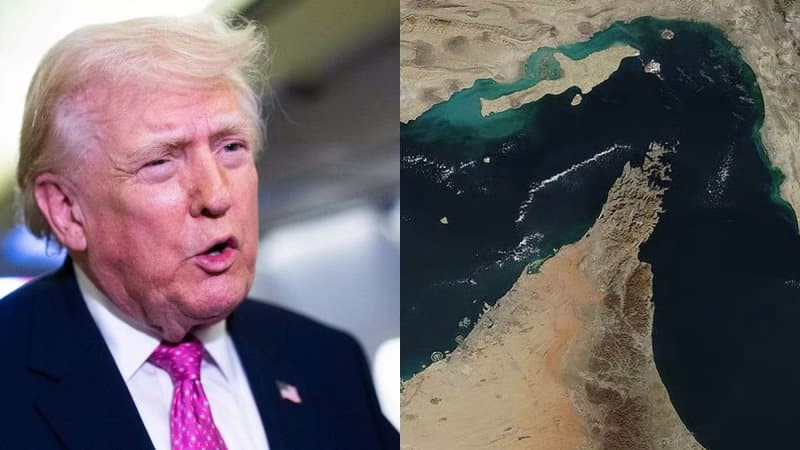
Fifty days into the US and Israel war on Iran, the situation on April 18 remains a tangle of contradictions. Trump said there are no sticking points left for a deal, while insisting the US blockade will remain until any agreement is fully complete. Meanwhile, Iran closed the Strait of Hormuz again until the US lifts the blockade of its ports hours after Trump said he was optimistic about reaching a deal with Tehran.
The Strait of Hormuz Open, Closed, Open Again
Iran reopened the Strait of Hormuz earlier on Saturday subject to conditions, in line with the Lebanon ceasefire and previously coordinated maritime routes then closed it again within hours, linking the reopening directly to the US lifting its naval blockade of Iranian ports.
Iran said it will not impose traditional transit fees in the Strait of Hormuz but is drafting a law to charge ship owners for securing the strait. Vessels would only pass with prior coordination with Iranian authorities, and hostile military ships particularly from the US and Israel would be barred entirely.
The US naval blockade remains active. US Central Command confirmed that 21 vessels had complied with orders to turn back from Iranian ports.
The Nuclear Dispute Iran and Trump in Direct Contradiction
Iran’s foreign ministry flatly rejected Trump’s claim that Tehran had agreed to hand over its enriched uranium stockpile, saying it will not be transferred anywhere.
Trump had told reporters negotiations were going very well and suggested a uranium transfer was agreed. Tehran’s denial exposed the wide gap between how both sides are framing the same talks to their own audiences. With the ceasefire expiring April 22, there is very little time to bridge that gap.
Diplomacy China, France, and Britain Enter the Frame
Trump said Chinese President Xi Jinping supports the reopening of the Strait of Hormuz and suggested a potentially historic visit to China. France and Britain announced they will lead a multinational effort to safeguard freedom of navigation in the strait as soon as conditions allow, according to British Prime Minister Keir Stammer.
Trump dismissed an offer from NATO to assist with Hormuz operations, calling the alliance a paper tiger and telling it to stay away. The US Treasury extended a waiver allowing countries to buy sanctioned Russian oil at sea until May 16, aiming to stabilize global supply during disruptions caused by the war.
Lebanon Ceasefire Starts but Strikes Continues
Israeli attacks on Lebanon have killed nearly 2,300 people since March 2. One person was killed in southern Lebanon by an Israeli airstrike on a motorcycle, despite a 10-day ceasefire coming into effect.
Lebanese President Joseph Amount said Lebanon is nearing a new phase of lasting agreements and is no longer an arena for others’ wars. However, Israeli Prime Minister Netanyahu warned the campaign against Hezbollah is not over, saying the dismantling of Hezbollah remains a key objective.
Trump stated that Israel is now barred by the US from continuing attacks on Lebanon, saying enough is enough. Houthi supporters in Yemen held rallies in solidarity with Lebanon, and the movement has warned it could enter the war if needed.
Markets Oil Falls, Wall Street Hits Records
Wall Street hit record highs on Friday after Iran announced the reopening of the Strait of Hormuz, sending Brent crude tumbling from a peak of nearly $120 a barrel down to $90.38. The sharp fall showed how much of the price spike had been driven by the blockade alone.
Boeing’s defense business received a boost from the war, with the company’s CEO confirming it has not affected commercial aircraft deliveries despite the sharp rise in jet fuel prices hitting airline customers globally.
Fifty days in, this war has no clear end in sight. The ceasefire expires April 22. Iran and the US are talking but contradicting each other publicly on key issues. Lebanon has a fragile pause. The Strait of Hormuz opens and closes depending on the hour. Both sides still hold their hardest demands uranium transfer and full sanctions relief as non-negotiable.
The next four days are the most consequential yet.
