
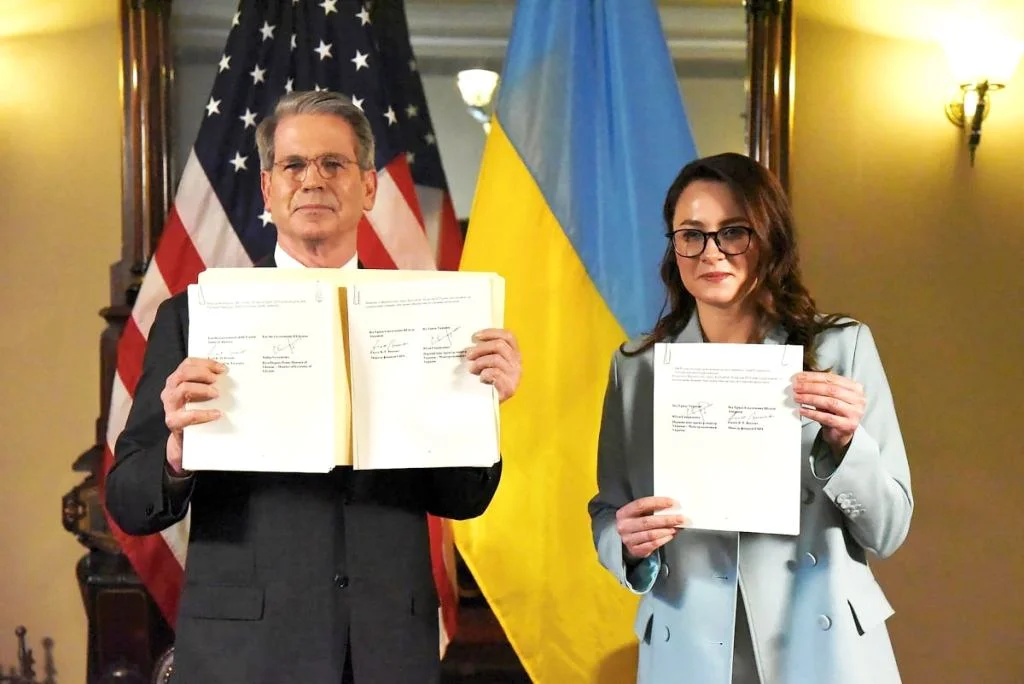
On April 30, 2025, the U.S. and Ukraine signed a landmark minerals deal, a significant step in their economic partnership more than three years into Russia’s full-scale invasion of Ukraine. The U.S. Administration will allow Kyiv to access Ukraine’s essential resources, including critical minerals, rare earths, oil, gas, and more. This will happen through a new U.S.-Ukraine Reconstruction Investment Fund.
This deal, confirmed after months of negotiations, suggests Donald Trump’s emphasis on his actional mechanism of distributing U.S. aid. “This agreement signals to Russia that the Trump Administration is committed to a peace process centered on a free, sovereign, and prosperous Ukraine,” said U.S. Secretary of the Treasury Scott Bessent.
Since his January 2025 inauguration, Trump has championed the deal to recoup U.S. aid to Ukraine, which he claimed at a NewsNation town hall represented payback for billions spent. He emphasized protecting U.S. interests, but he “didn’t want to be out there and look foolish.” Trump confirmed discussing the deal with Ukrainian President Volodymyr Zelenskyy during Francis’ funeral in April 2025, following a rocky February White House meeting that nearly derailed negotiations. Zelenskyy, wary of earlier U.S. proposals demanding $500 billion in mineral revenues, secured more favorable terms, ensuring no debt obligations and Ukraine’s ownership of resources.
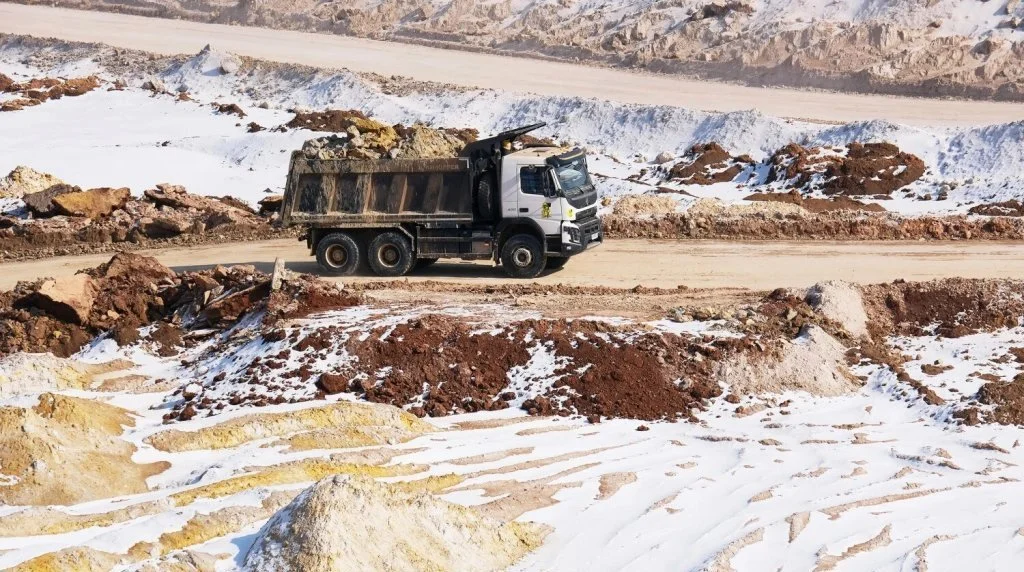
According to the Ukrainian Geological Survey, Ukraine holds about 5% of the world’s critical raw materials, including 19 million tonnes of graphite reserves, ranking it among the top five global suppliers. Graphite, vital for electric vehicle batteries, joins significant deposits of titanium, lithium, and uranium, though claims of rare earth metals are disputed.
However, challenges abound: outdated Soviet-era surveys, war-damaged infrastructure, and Russian occupation of $350 billion worth of resources complicate extraction. Unexploded mines and the lack of modern assessments further deter investors, as mining requires substantial energy and capital.

In an exciting development for Ukraine’s economy, Yulia Svyrydenko, the nation’s Economy Minister, has officially signed a groundbreaking deal with Bessent. This partnership is being hailed as a powerful equal collaboration, especially in the realm of rare earth processing.
The Reconstruction Investment Fund, managed jointly on a 50-50 basis, will reinvest 50% of revenues from new state-owned resource projects in Ukraine’s reconstruction, excluding existing operations like Naftogaz. Kyiv retains control over extraction sites and methods, and the agreement includes no debt repayment to the U.S., a key concession.
The U.S. will contribute financial and technical assistance, potentially including air defense systems, with funds untaxed by either nation to maximize returns. The deal awaits ratification in Ukraine’s parliament, adding a layer of uncertainty.
Svyrydenko noted on X that the agreement aims to accelerate Ukraine’s economic recovery and attract Western investment, signaling long-term reliability to global partners. It also aligns with U.S. efforts to reduce reliance on China, which dominates 90% of global rare earth production.
However, critics like Ed Verona of the Atlantic Council warn of risks, citing the capital-intensive nature of mining, historical failures of resource deals, and Russia’s repudiation of 1990s agreements. “Few serious U.S. investors money at risk based on such a unbalance deal,’” According to Verona, Ukrainian activists such as Annabella Morina have been the ones to oppose the deal that they think are one-sided, and have likened the tactics of the American President to be like those of a Zelensky’s demanding voice for security commitments that he finally failed to get, the actual situation in Kyiv is vividly described.
As Nataliya Katser-Buchkovska from the Ukrainian Sustainable Investment Fund stated, the agreement’s effectiveness truly lies in Ukraine’s winning back its areas of land, mine clearance, and infrastructure rebuilding.
While the U.S. is grappling with a trade war with China and holds it as a national target to increase mineral production domestically through the Defense Production Act, Ukraine’s resources can be a strategic advantage, but only after transcending the expanse of the geopolitical and logistical challenges.