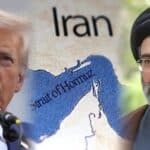
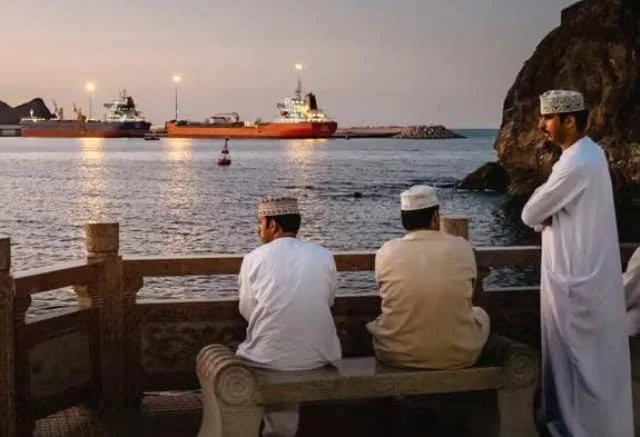
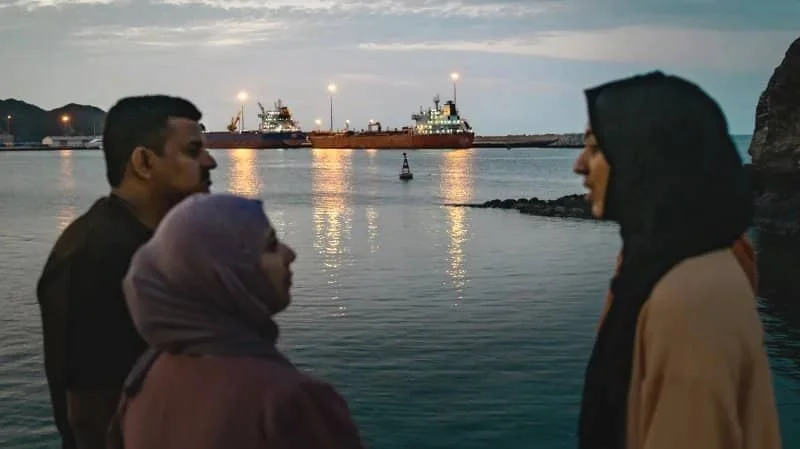
The Strait of Hormuz crisis continues to worry Gulf countries even after a temporary US Iran ceasefire. While leaders announced a pause in fighting, the situation on the ground tells a different story. Oil routes remain uncertain, and regional trust is still weak.
The Strait of Hormuz is one of the world’s most important oil shipping routes. Nearly 20% of global oil supply passes through it. Any disruption here quickly affects energy prices, global trade, and economic stability.
Gulf states like Saudi Arabia, UAE, and Qatar depend heavily on stable oil exports. Right now, they fear the ceasefire may give Iran more control over the strait.
Reports suggest Iran is still controlling ship movement. Some vessels need approval before passing, while others face delays or risks. This creates a new kind of pressure, not military but economic.
Experts say this could become a long term strategy. Instead of direct conflict, Iran may use the strait as leverage in negotiations.
Still facing shipping activity issues
Even after the ceasefire, shipping activity has not returned to normal. Only a few vessels are moving through the waterway. Major shipping companies are still avoiding the route due to safety concerns and unclear rules.
Before the conflict, over 100 ships passed daily. Now, only a small number operate, leaving thousands of ships and crew stranded. This slowdown directly impacts global oil supply chains and increases costs.
Oil prices are likely to remain high
The uncertainty has already pushed oil prices higher. Markets react quickly when supply risks rise. Brent crude is moving close to $100 per barrel again, showing how fragile the situation is.
Higher oil prices mean increased fuel costs, rising inflation, and pressure on economies worldwide. For Gulf countries, this creates both opportunity and risk. They may earn more per barrel, but instability threatens long term growth.
It seems like unclear ceasefire
The ceasefire itself remains unclear. The US and Iran disagree on its terms. Both sides accuse each other of violations, and ongoing conflicts in Lebanon add more tension.
There is no clear agreement on whether the Strait of Hormuz should fully reopen. This confusion weakens trust and makes the deal fragile.
The bigger strategic risk
For Gulf states, the biggest fear is not just short term disruption. It is the possibility that Iran gains permanent influence over the strait.
If that happens, the balance of power in the region could shift. Gulf economies may face ongoing pressure, and global energy markets could become more unstable.
Analysts warn this could create a “new normal” where uncertainty becomes constant.
Diplomatic talks are expected to continue, with efforts to stabilize the region and reopen the shipping route fully. But progress depends on trust, and right now, that trust is missing.
Until there is a clear agreement, the Hormuz uncertainty, US Iran tensions, and global oil supply risks will remain key issues to watch.