All about Pakistan’s Ceasefire deal to Iran “Islamabad Accord”

Get an AI-generated summary of this article.

AI-generated article summary

Iran Says No to Temporary Hormuz Opening
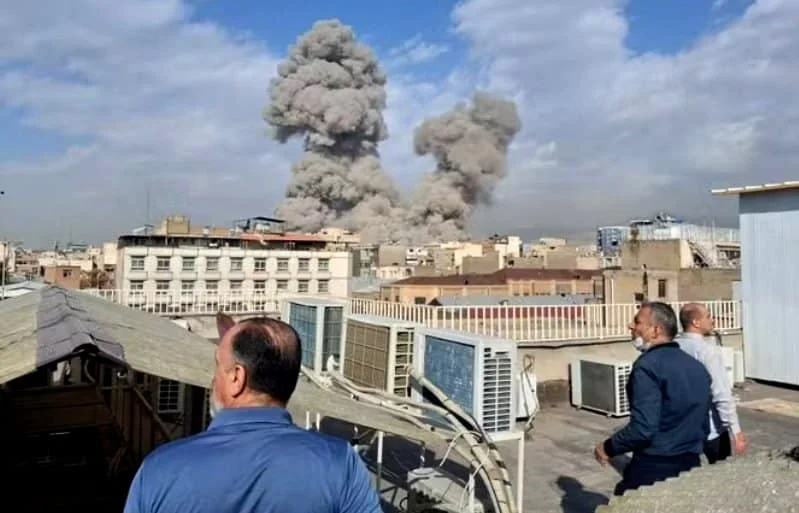
People stand on a rooftop and look out over Tehran after strikes hit the city on February 28, 2026. AP

Pakistan Offers Two Phase Ceasefire Deal to Iran

Pakistan has proposed a two stage peace plan to halt the ongoing US Israel war on Iran and reopen the Strait of Hormuz. Both sides are now reviewing the framework, a source told Reuters.

Iran’s Foreign Ministry spokesman Esmaeil Baghaei confirmed Pakistan’s diplomatic role on Monday, saying Tehran is focused on its security as attacks continue from the US and Israel.

What the Deal Involves?

The proposal, tentatively called the “Islamabad Accord,” would trigger an immediate ceasefire and reopen the Strait of Hormuz. Both sides would then have 15 to 20 days to finalize a broader settlement.

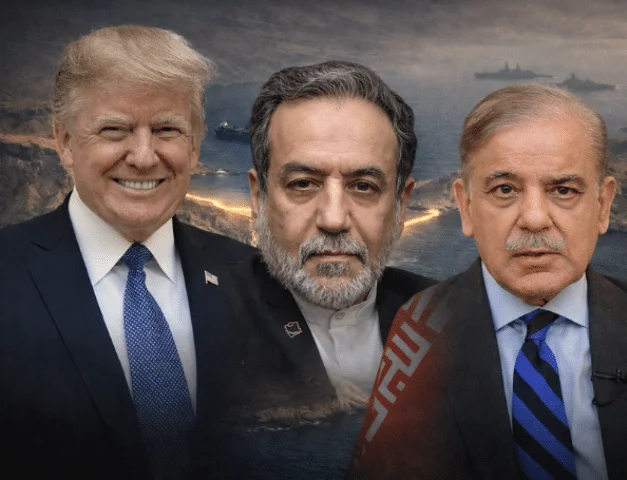
Pakistan’s army chief Field Marshal Asim Munir spent the night in direct contact with US Vice President JD Vance, Special Envoy Steve Witkoff, and Iranian Foreign Minister Abbas Araghchi, according to the source.

The source added that all key elements need to reach agreement today. Any initial understanding would be sealed electronically through Pakistan, which is currently the only active communication channel between the parties.

The final agreement is expected to include Iranian commitments to abandon nuclear weapons development in exchange for sanctions relief and the release of frozen Iranian assets, Axios first reported.

Iran Says No to Temporary Hormuz Opening

Tehran pushed back quickly. A senior Iranian official told Reuters on Monday that Iran will not reopen the Strait of Hormuz as part of a temporary ceasefire. The official added that Iran will not accept any deadlines and that Washington is not ready for a permanent ceasefire either.

Iran also rejected the US 15 point plan shared last month through Pakistan and other friendly nations. Baghaei called the plan “extremely ambitious, unusual, and illogical.” He stated Iran has its own framework and will share its demands only when the time is right.
“We will never bow to pressure,” Baghaei said.

Pakistan Navigating Deep Distrust

Al Jazeera correspondent Osama Bin Javaid described the situation as “frantic diplomacy.” Pakistani officials are speaking directly with Iran’s clergy, diplomats, and military commanders, but trust remains dangerously low on all sides.

“It is essentially a schoolboy brawl,” one official told Javaid. “It is egos they have to manage and a sea of distrust over which they have to build bridges.”

A key concern from Iran is security guarantees. Iran has already faced multiple US and Israeli strikes. Any agreement means little if their leaders remain targets.

Stakes Are High for Global Oil Supply

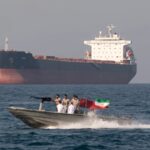
The Strait of Hormuz carries more than 20 percent of the world’s oil and gas. Iran currently holds a de facto blockade over the waterway, raising alarm across global energy markets.

On Monday alone, a top Tehran university and the South Pars Petrochemical Plant in Asaluyeh were bombed, killing at least 34 people.

US President Donald Trump, in a post on Sunday, threatened to bring “hell” to Tehran if Iran did not make a deal before Tuesday’s deadline to reopen the strait.

Since the war began on February 28, over 2,000 people have been killed in Iran, according to Iranian authorities. Israel has also invaded southern Lebanon and struck Beirut, where at least 1,461 people have been killed including 124 children. More than 1.2 million Lebanese people have been displaced.

The window for a deal is extremely narrow. Pakistan is pushing hard, but both Iran and the US carry major reservations. Iran wants guarantees, not just agreements on paper. The US has not yet formally responded to Pakistan’s plan.

Whether the Islamabad Accord becomes a real turning point or another failed attempt depends entirely on the next 24 hours.

About Writer

More News

US-UK Special Relationship Sours Over Iran War

A year ago, the United States and the United Kingdom were celebrating what both sides called an unbreakable bond. Britain signed the first trade deal with the US in May 2025. Trump made a second state visit to the UK in September. King Charles hosted him at Windsor Castle. Things looked good. Today, they look very different. The Iran war broke the spell. Trump has attacked NATO allies throughout the conflict for refusing to support military operations against Iran, and he has singled out the UK in particular. He called Starmer “no Winston Churchill,” labelled British immigration and energy policies...

Iran War: Hormuz Closes Again, Trump Says Deal Is Near

Fifty days into the US and Israel war on Iran, the situation on April 18 remains a tangle of contradictions. Trump said there are no sticking points left for a deal, while insisting the US blockade will remain until any agreement is fully complete. Meanwhile, Iran closed the Strait of Hormuz again until the US lifts the blockade of its ports hours after Trump said he was optimistic about reaching a deal with Tehran. The Strait of Hormuz Open, Closed, Open Again Iran reopened the Strait of Hormuz earlier on Saturday subject to conditions, in line with the Lebanon ceasefire and...

Trump and Xi Meeting Ends with High Stakes, Few Deals, and a Taiwan Warning

US President Donald Trump arrived in Beijing on May 13 for the most consequential American presidential visit to China in nearly a decade, touching down at Beijing Capital International Airport to a ceremony featuring an honor guard and crowds of children waving Chinese and American flags. The two day summit opened with warm words and a careful agenda, but by the time both sides released their readouts of the first day of talks, it became clear that Washington and Beijing were still telling very different stories about what had happened in the room. How the Summit Opened Trump was greeted by...

BYD and KFC Changing the Future of EV Charging

In a move that blends fast food with futuristic mobility, Chinese electric vehicle giant BYD has partnered with KFC to introduce a new concept that could redefine how people think about charging their cars. Instead of waiting at traditional charging stations, drivers in China may soon be able to recharge their vehicles while picking up a meal in just minutes. The collaboration focuses on what both companies describe as a nine-minute one-stop refueling experience. This idea is built around BYD’s advanced battery technology, which can charge a vehicle from low levels to nearly full capacity in about nine minutes. Solving One...

Two Months of Iran War | Who Is Winning, Who Is Losing, and Who Is Still Deciding?

Two Months Into the Iran War When Donald Trump launched the war on Iran on February 28, he told the world it would be quick, decisive, and worth it. Ten days in, he said the United States had already won the war “in many ways.” (function(w,q){w=w||;w.push()})(window,"_mgq"); Two months later, a definitive end to the conflict is nowhere in sight. A ceasefire is in place but fragile. Diplomacy keeps stalling. And almost every country pulled into this war willingly or not is paying a price it did not budget for. (function(v,d,o,ai){ai=d.createElement('script');ai.defer=true;ai.async=true;ai.src=v.location.protocol+o;d.head.appendChild(ai);})(window, document, '//a.vdo.ai/core/v-livenewsof/vdo.ai.js'); “There aren’t any real winners from the war, but there are some...

Latest Articles