
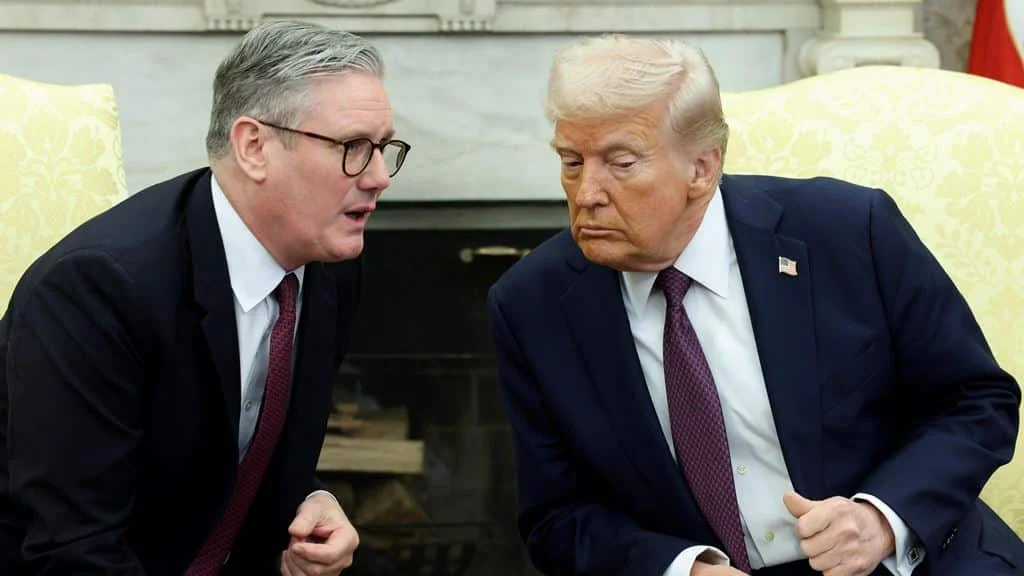
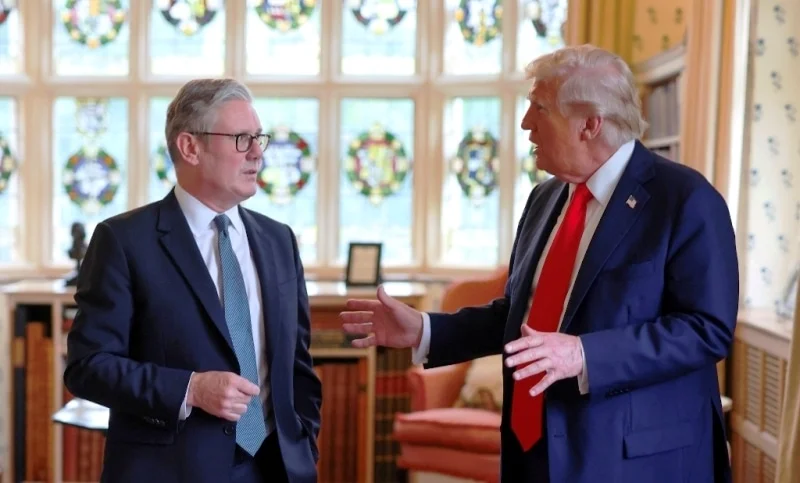
 A year ago, the United States and the United Kingdom were celebrating what both sides called an unbreakable bond. Britain signed the first trade deal with the US in May 2025. Trump made a second state visit to the UK in September. King Charles hosted him at Windsor Castle. Things looked good. Today, they look very different.
The Iran war broke the spell. Trump has attacked NATO allies throughout the conflict for refusing to support military operations against Iran, and he has singled out the UK in particular. He called Starmer “no Winston Churchill,” labelled British immigration and energy policies “insane,” and accused London of failing to show up when it mattered.
Trump put it plainly: “It’s the relationship where, when we asked them for help, they were not there. When we needed them, they were gone. When we didn’t need them, they were gone. And they still aren’t there.”
Starmer and UK Finance Minister Rachel Reeves have both said Britain will not get dragged into the Iran war. Reeves told CNBC’s Invest in America forum that she is “not convinced this conflict has made the world a safer place” and questioned whether its aims were ever clear.
A year ago, the United States and the United Kingdom were celebrating what both sides called an unbreakable bond. Britain signed the first trade deal with the US in May 2025. Trump made a second state visit to the UK in September. King Charles hosted him at Windsor Castle. Things looked good. Today, they look very different.
The Iran war broke the spell. Trump has attacked NATO allies throughout the conflict for refusing to support military operations against Iran, and he has singled out the UK in particular. He called Starmer “no Winston Churchill,” labelled British immigration and energy policies “insane,” and accused London of failing to show up when it mattered.
Trump put it plainly: “It’s the relationship where, when we asked them for help, they were not there. When we needed them, they were gone. When we didn’t need them, they were gone. And they still aren’t there.”
Starmer and UK Finance Minister Rachel Reeves have both said Britain will not get dragged into the Iran war. Reeves told CNBC’s Invest in America forum that she is “not convinced this conflict has made the world a safer place” and questioned whether its aims were ever clear.
The Trade Deal Is Now on the Table
Trump threatened this week to change or withdraw the UK trade deal, which had secured Britain a baseline 10% import tariff — lower than the rates applied to the European Union. Starmer responded directly in parliament, telling lawmakers he is “not going to yield” to White House pressure. The economic stakes are real. The IMF revised UK growth for 2026 to 0.8%, from 1.3% projected in January, citing the Iran conflict as a factor. Britain is a net energy importer, and the Strait of Hormuz closure has hit its economy hard through rising fuel and food prices. Despite breaking with Starmer, Trump has consistently praised King Charles as a “great gentleman” and a personal friend. Charles and Queen Camilla are due to make a four-day historic state visit to Washington from April 27 to 30, the first visit by the King as monarch. The visit marks the 250th anniversary of American independence. Starmer framed the visit carefully, saying the monarchy represents bonds between the two countries “far greater than anyone who occupies any particular office at any particular time.” The British government is banking on royal soft power to hold the relationship together while the political relationship between Trump and Starmer remains publicly broken.Where Things Stand Now?
Trump told Sky News this week that while he likes Starmer, the special relationship “has been better.” He also said, “We gave them a trade deal that was very good because they’re having a lot of problems.” The implication was clear: the deal was a favour, not a right, and it could be revised. Britain is caught between its refusal to join a war it does not support and its need for American trade and security ties. King Charles’s arrival in Washington on April 27 will be the most-watched diplomatic moment the two countries have shared in years.