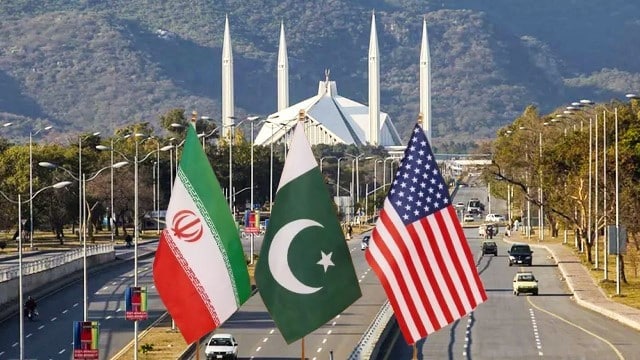
Pakistan is hosting one of the most consequential diplomatic meetings in decades. The United States and Iran are holding their highest level talks in years in Islamabad, in a Pakistan brokered bid to turn a fragile two week ceasefire into a lasting end to a war that has roiled global energy markets.
- The War That Made These Talks Necessary
On February 28, the US and Israel launched deadly coordinated strikes that killed Supreme Leader Ali Khamenei and struck Iran’s military and nuclear infrastructure. More than 3,000 people were killed in Iran in five weeks, according to Iranian media and the US based Human Rights Activists News Agency.
Tehran responded by effectively closing the Strait of Hormuz, through which about a fifth of global oil and gas passes, sending energy prices soaring and disrupting trade worldwide. On April 8, the US and Iran agreed to a two week ceasefire brokered by Pakistan. The ceasefire is expected to expire on April 22.
That leaves less than two weeks to reach a deal or the war resumes.
- Who Is Sitting at the Table
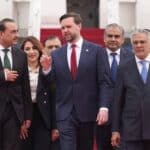
Vice President JD Vance will lead the American team, joined by special envoy Steve Witkoff and Trump’s son in law Jared Kushner. It marks the most senior US engagement with Iran since Secretary of State John Kerry negotiated the 2015 nuclear deal.
It is the highest level meeting between the US and Iran since the 1979 Islamic revolution.
Iranian Parliament Speaker Mohammad Bagher Ghalibaf and Foreign Minister Abbas Araghchi are expected to lead the Iranian delegation. It remains unclear whether any representative from Iran’s Islamic Revolutionary Guard Corps will attend. Ghalibaf is a former IRGC commander.
Araghchi’s presence indicates that discussions will likely extend beyond immediate ceasefire mechanics to broader strategic issues, including sanctions, nuclear policy, and regional security architecture.
- Why Pakistan Is the One Hosting
Pakistan, a nation more frequently making international headlines for its militancy and shaky economy, is hosting the first negotiations between Washington and Tehran since the war began a stunning pivot for a country long viewed through the lens of deep security concerns.
Pakistan’s value as a mediator rests on an unusually broad diplomatic network. Iran was the first country to recognise Pakistan following independence in 1947, with the two neighbours sharing a 900 kilometre border and deep historical, cultural and religious ties.
Pakistan also maintained open lines with Washington throughout the war, with Army Chief Field Marshal Asim Munir serving as the key back channel that ultimately brokered the ceasefire on April 8.
- How the Talks Will Actually Work
Do not expect both delegations to sit across the same table. The talks are expected to be indirect, with the two delegations sitting in separate rooms and Pakistani officials shuttling proposals between them, mirroring the format used in earlier Oman mediated rounds.
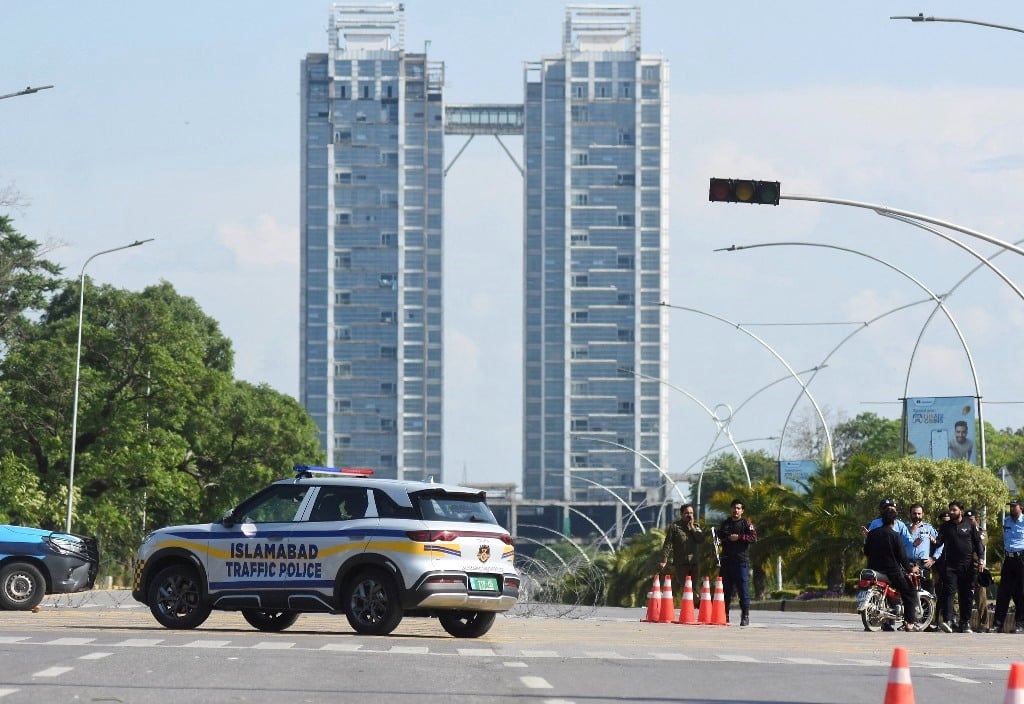
Pakistani media reported that the Serena Hotel, located next to the foreign ministry in the capital’s high security Red Zone, will host the talks, after it was requisitioned by the government for an important event. Islamabad declared a two day public holiday on Thursday and Friday.
Security has been tightened across the city. The Red Zone has been sealed, while key entry points into Islamabad have been closed.
- What Both Sides Actually Want
The gap between the two sides is wide. Washington’s reported 15 point proposal centres on Iran’s enriched uranium and the reopening of the Strait of Hormuz. Tehran has countered with a 10 point plan demanding control over the strait, a toll for vessels crossing the strait, an end to all regional military operations, and the lifting of all sanctions.
Another critical issue is Iran’s stockpile of highly enriched uranium and its potential destruction, for which the US would agree to lift economic sanctions. While Iran intended to retain its enriched uranium stockpile within its borders, the US insisted it must be transferred to a third country.
Iran has already accused the US of violating the 10 point peace plan. Iran’s Foreign Minister Araghchi also stated that Lebanon must be part of the ceasefire framework, a position the White House rejected.
Vance said in Budapest on Wednesday that Trump is “impatient to make progress” with Iran and stressed that if Iranian officials do not engage in good faith, “they’re going to find out that President Trump is not one to mess around with.”