
Key Points:
- Israel and Iran exchanged airstrikes for a third day on June 15, 2025, with Israel targeting Iran’s nuclear and military sites.
- At least 406 people were killed in Iran, including 197 civilians, and 654 wounded, per Human Rights Activists. Israel reported 14 deaths and 390 injuries since Friday.
- U.S. President Donald Trump vetoed an Israeli plan to kill Iran’s Supreme Leader, and nuclear talks were canceled. However, the plan was reportedly suspended, according to a U.S. official.
Third-Day of Escalation
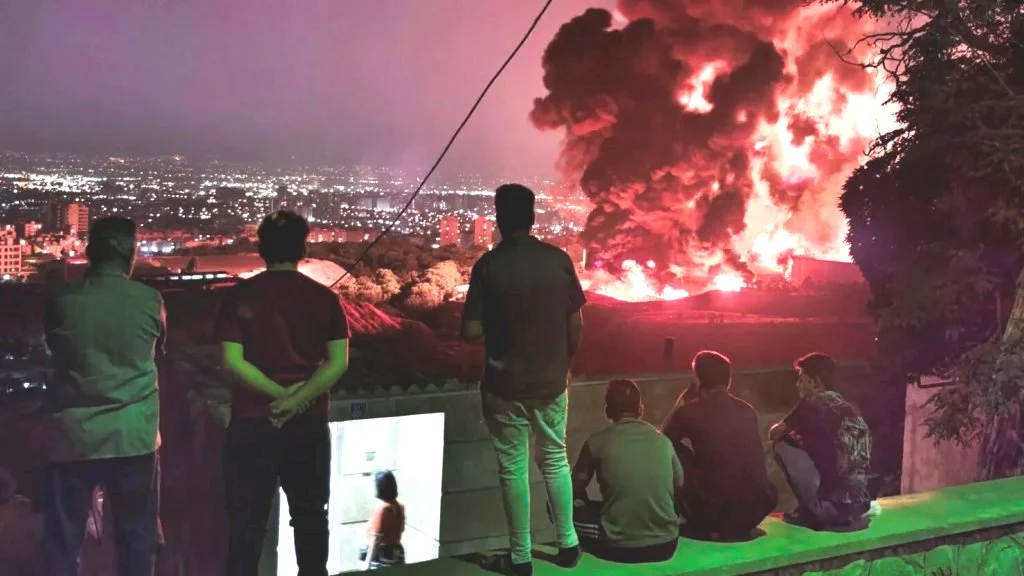
On Sunday, June 15, 2025, Israel and Iran traded airstrikes for a third consecutive day, intensifying a conflict that began with Israel’s surprise attack on Iran’s nuclear and military infrastructure on June 13. Israel’s strikes targeted Iran’s Defense Ministry, missile sites, and oil refineries. At the same time, Iran fired over 270 ballistic missiles at Israel, 22 evading defenses to hit Tel Aviv, Haifa, and Rehovot.
The conflict, sparked by Israel’s aim to thwart Iran’s nuclear ambitions, has killed hundreds and raised fears of a broader regional war. Planned U.S.-Iran atomic talks in Oman were canceled, dimming hopes for de-escalation.
Casualties and Damage
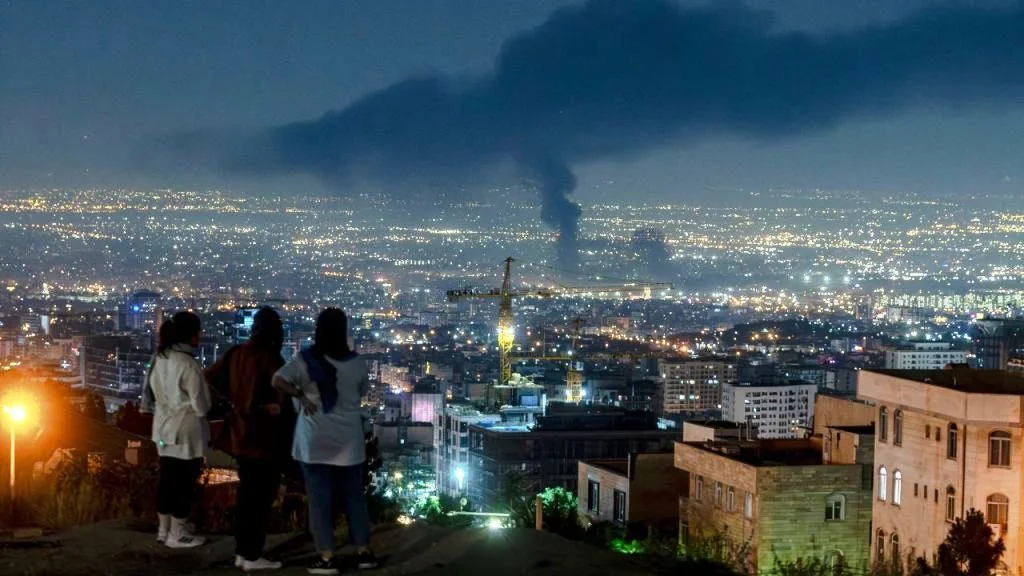
In Iran, Human Rights Activists reported 406 deaths, including 197 civilians and 90 military personnel, with 654 wounded. Iran’s government has not released official figures, but state media reported civilian casualties in Tehran.
Israel’s strikes destroyed the above-ground section of the Natanz nuclear facility. They damaged four critical buildings at Isfahan’s uranium conversion site, though no radiation leaks were detected. Iran’s oil infrastructure, including refineries near Tehran and the South Pars gas field, was also hit.
In Israel, 14 people were killed, including six in Bat Yam and four in Tamra, with 390 wounded. An oil refinery in Haifa and buildings at the Weizmann Institute in Rehovot were damaged.
Israel’s Strategy and Claims
Israel, widely believed to be the Middle East’s only nuclear-armed state, launched Operation Rising Lion to prevent Iran from developing a nuclear weapon.
Prime Minister Benjamin Netanyahu claimed the strikes set back Iran’s nuclear program by “years” and killed key figures, including the Revolutionary Guard’s intelligence chief. He suggested regime change in Iran could result, a goal not officially endorsed by Israel’s military, according to Reuters.
Israel’s Mossad used smuggled drones and intelligence to target fortified sites like Natanz. An Israeli official estimated that repairs to Natanz and Isfahan could take “many months,”
Iran’s Response and Retaliation

Iran’s Supreme Leader Ayatollah Ali Khamenei vowed a “painful” response, accusing Israel of starting the war. Iran launched over 270 missiles, targeting Israeli cities and infrastructure, with strikes on Haifa’s oil refinery and a residential building in Petah Tikva. Foreign Minister Abbas Araghchi said Iran’s attacks would stop if Israel ceased its strikes.
However, President Masoud Pezeshkian warned of “decisive” responses if attacks continued. Iran’s air defenses were overwhelmed, with no effective counter to Israel’s air superiority. Metro stations and mosques in Tehran were opened as shelters.
U.S. and International Reactions
U.S. President Donald Trump denied U.S. involvement but warned Iran against attacking American targets. He vetoed an Israeli plan to assassinate Khamenei. Trump urged a new nuclear deal to halt the conflict, but Iran called talks “unjustifiable” amid ongoing strikes.
European leaders, including Ursula von der Leyen and Keir Starmer, called for restraint. The IAEA censured Iran for non-compliance with nuclear agreements, escalating tensions before the strikes. On X, @Reuters reported explosions in Jerusalem and Tel Aviv, reflecting global alarm.
Future Implications and Tensions
The conflict follows decades of Iran-Israel tensions, intensified by Iran’s uranium enrichment to near weapons-grade levels. Israel’s strikes were preceded by the weakening of Iran’s proxies, like Hezbollah and Hamas. Iran’s nuclear program, deemed peaceful by Tehran, was criticized by the IAEA for non-compliance. The attacks disrupted Iran’s energy sector, causing a spike in oil prices.
Both sides’ refusal to de-escalate risks a wider war, potentially involving the U.S. On X, @AP noted fears of a “dangerous regional war,” capturing public sentiment.