‘Midnight Hammer’ Sparks Global Alarm: 10 Developments After U.S. Strikes Iran’s Nuclear Sites
1: U.S. Conducts Airstrikes on Nuclear Sites
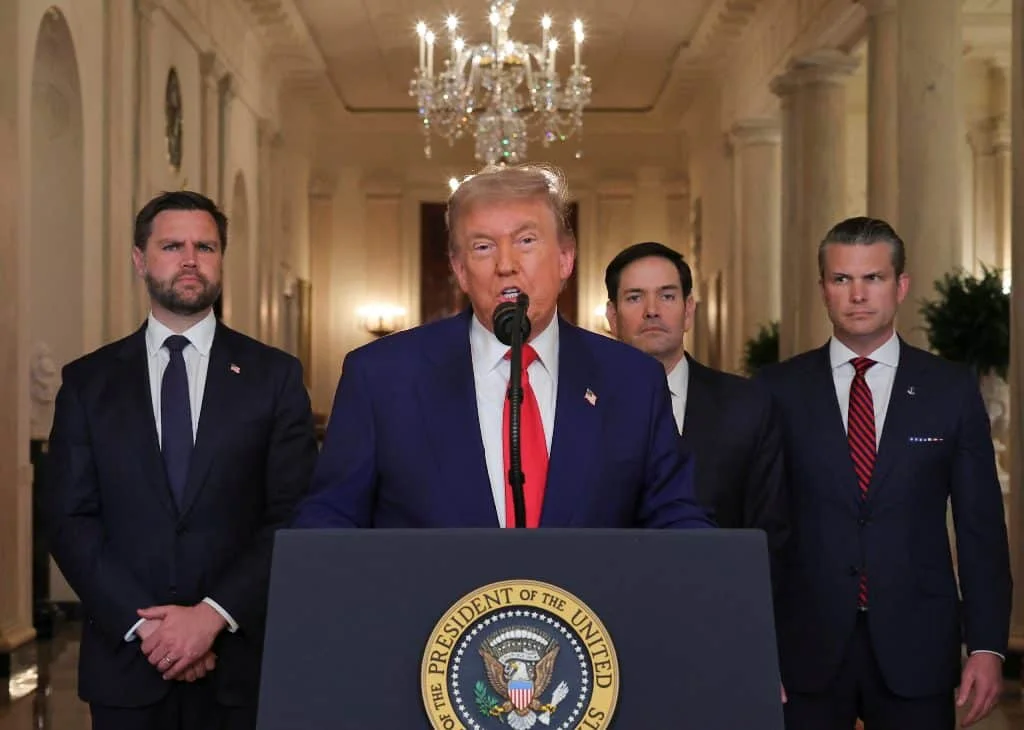
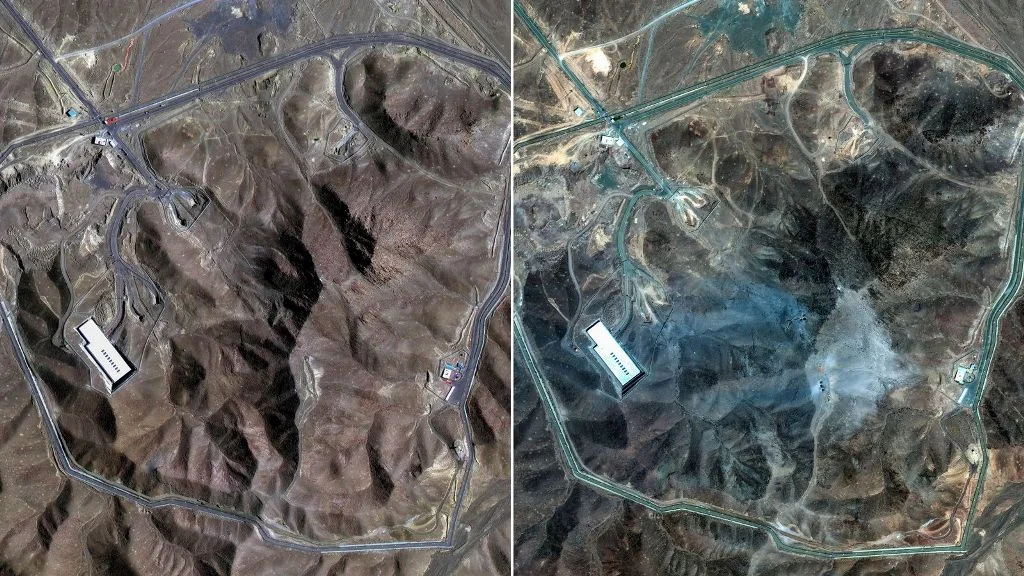
On June 21, 2025, President Donald Trump announced that U.S. forces struck three Iranian nuclear facilities—Fordo, Natanz, and Isfahan—claiming they were “completely obliterated.” The operation, named ‘Midnight Hammer,’ escalated the Israel-Iran conflict, raising fears of a regional war. Trump, through Truth Social, referred to it as a “historic moment” and to Iran as a “peace-loving nation” that “should abandon its warlike behavior immediately.” He also warned that if Iran were to retaliate, the consequences would be terrible for them.
Iran’s leadership, on the other hand, responded to the remarks of President Trump by promising a “response so crushing that it will become a nightmare.” Consequently, they launched missiles at Israel and also threatened U.S. interests.
2: Pentagon Outlines ‘Operation Midnight Hammer’ Details
On June 22, 2025, Pentagon officials detailed ‘Midnight Hammer,’ describing it as a showcase of U.S. military precision. Defense Secretary Pete Hegseth echoed Trump’s claim of destruction, asserting the strikes eliminated Iran’s nuclear threat. General Dan Caine, Joint Chiefs chairman, was more reserved, saying a final damage assessment is pending.
Initial reports indicate “severe damage” to all three sites, but Caine could not confirm if Iran retains nuclear weapon capabilities. The operation involved B-2 Spirit bombers flying 37 hours from Missouri, supported by naval assets in the Persian Gulf.
3: IAEA Notes Unclear Damage Scope
Iran’s nuclear sites show signs of damage, but the extent, particularly at Frodo’s underground facilities, is unclear. IAEA chief Rafael Grossi told CNN, “No one can precisely quantify the destruction.” Fordo, buried deep beneath mountains, poses a unique challenge for assessments. The IAEA confirmed that there were no off-site radiation leaks, easing environmental concerns, but restricted access and ongoing conflict hindered inspections.
Iran’s claim that nuclear materials have been taken out has resulted in a discussion about how successful the recent strikes were. There are some Western commentators who, given the latest information, are beginning to doubt the actual extent of Iran’s nuclear program.
4: Iran Vows Retaliation, Strikes Israel
Iran’s leadership responded with defiance, vowing a severe counterattack. A Supreme Leader representative called for missile strikes on U.S. forces in Bahrain and closing the Strait of Hormuz. Foreign Minister Abbas Araghchi declared, “The U.S. crossed a major red line,” asserting Iran’s self-defense rights. On June 22, 2025, Iran’s Revolutionary Guard launched missiles at Israeli cities, including Tel Aviv, Haifa, Nes Ziona, and Rishon Lezion, causing widespread destruction. Videos showed burning buildings in Tel Aviv, with at least 40 deaths reported.
5: Global Leaders React to Strikes
There are different reactions to attacks globally. Benjamin Netanyahu supported Trump’s attack, while UN Secretary-General António Guterres expressed that the strikes were a “dangerous escalation.” Russia, Pakistan, and Oman condemned the actions as illegal, with Russia describing them as “irresponsible.”” peace through strength.
“Iran’s UN ambassador, Amir Saeid Iravani, demanded an emergency Security Council meeting, labeling the strikes “heinous.” Araghchi planned to meet Russian President Vladimir Putin in Moscow on June 23, 2025, to coordinate a response, posting on X that the U.S. violated the UN Charter and Nuclear Non-Proliferation Treaty.
6: Iran Approves Strait Closure Plan
On June 22, 2025, Iran’s Parliament voted to close the Strait of Hormuz, pending approval from the Supreme National Security Council, Press TV reported. Oman handles 20% of the global oil trade, and closure will affect the prices. Since the strikes, Oil prices are expected to go up by 4%. Citing U.S. actions as a provocation, Iran’s Foreign Ministry cautioned that Western ships could be stopped. Gulf countries and Western powers, which are dependent on the stability of the strait for energy security, have been especially concerned about this.
7: Strait Closure Risks Global Economies
Iran’s warnings have not yet resulted in the shutdown of the Strait of Hormuz. However, the present situation is very discomforting. In the event of a blockage, the supply of oil and gas will be interrupted, and consumers of the goods will face difficulties. The global markets are expected to witness price hikes, which will impact both the business sector and consumers. As a result, OPEC and Western allies have convened for discussions, while experts are also warning of a possible global economic recession.
8: Israel Closes Its Airspace for Safety
Iran launched missile attacks on Israel in June 2025. Iran launched hundreds of ballistic missiles toward Israel on Friday night in what it dubbed “Operation Severe Punishment.” Iranian missiles target Israel in retaliation for earlier strikes. Israel shut down its airspace in response to the attacks but kept its borders with Jordan and Egypt open for ground travel.
The airspace closure created significant problems for travelers. Over 100,000 citizens are currently stuck abroad. Sirens sound across the country after IRGC vows to strike Israel ‘without interruption’ and airspace shuttered across the Mideast due to the Israel-Iran conflict, stranding tens of thousands.
9: Trump Threatens More Strikes Ahead
On June 22, 2025, Trump praised the U.S. military’s “unmatched” strikes and warned Iran of “far greater” attacks if it rejects peace. “Iran faces peace or tragedy,” he said, highlighting his coordination with Netanyahu. Speaking from the White House, Trump framed the strikes as a response to Iran’s nuclear threat, but critics argue they risk a prolonged war.
Domestic divisions emerged, with Republicans backing Trump and Democrats, including Hakeem Jeffries, calling the strikes unconstitutional without congressional approval. Representative Alexandria Ocasio-Cortez suggested impeachment, citing the lack of legislative oversight.
10: U.S. Uses Advanced B2 Spirit Bunker-Buster Bombs
A U.S. official confirmed B-2 Spirit bombers dropped GBU-57 Massive Ordnance Penetrators (MOPs), designed to destroy deep bunkers like Fordo. Exclusive to the U.S., the MOP can only be deployed by B-2 bombers, which flew 37 hours from Missouri. Though Frodo’s depth makes damage assessment challenging, the strikes were aimed at Iran’s fortified nuclear sites.
Iran’s claim of little impact has cast doubt on the operation’s effectiveness; experts are awaiting IAEA inspections. MOPs emphasize the United States’ unrivaled ability to target hardened installations—a message directed at both Iran and all enemies.