
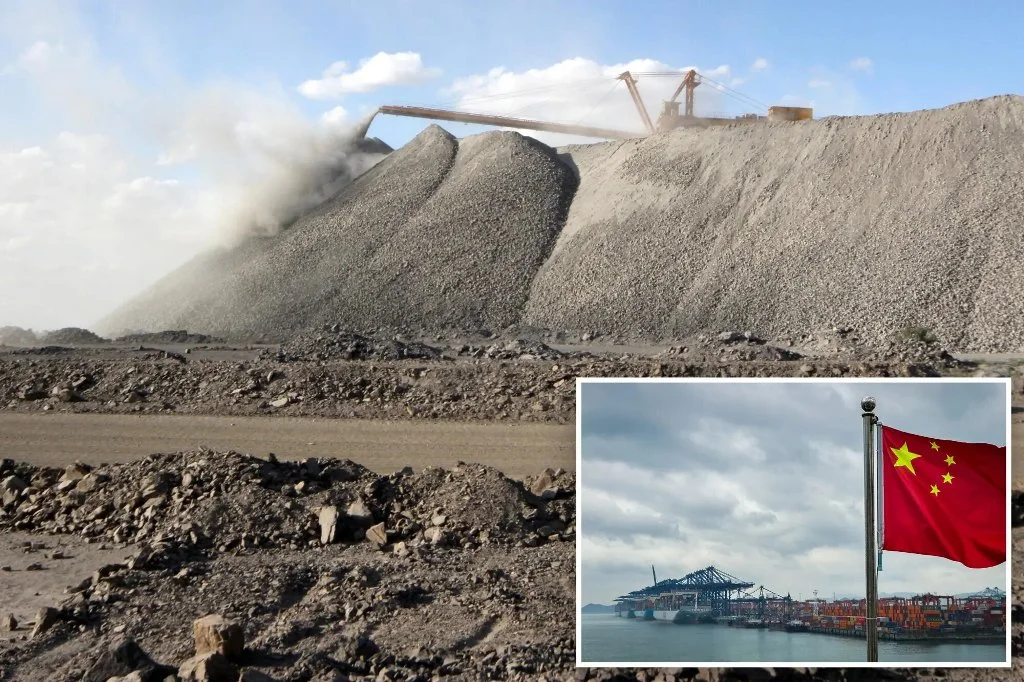
How China’s Rare Earth Monopoly Beats the Global Auto Industry

Get an AI-generated summary of this article.

AI-generated article summary

On April 4, 2025, China prohibited the export of strong rare earth metals, potentially hurting global auto industry production. These 17 minerals are essential for catalytic converters in gasoline cars and motors, as well as batteries in electric vehicles (EVs). These are processed almost entirely by China and hold a 90% global processing monopoly.
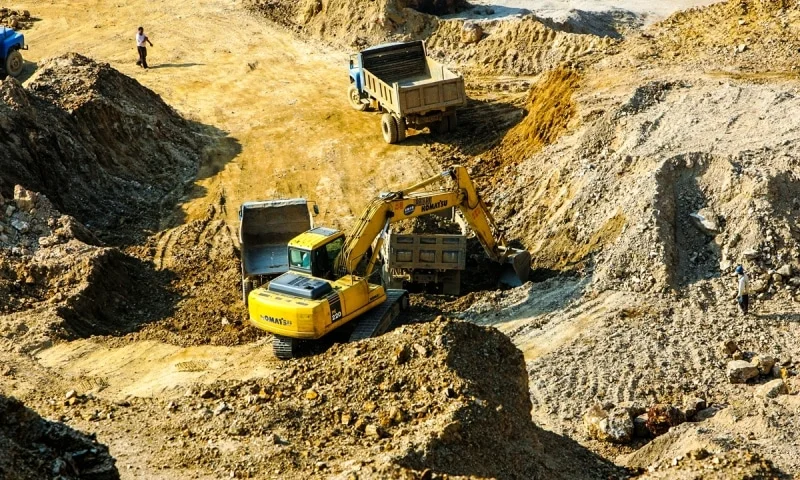
China's Rare Earth Monopoly and the global auto industry
Rare Earth.

The ban, unannounced and unexpected, drained supply chains within weeks. It mainly forces European automakers to close factories and Ford to halt Explorer SUV production. “It came out of nowhere,” said Dan Hearsch of AlixPartners, highlighting the industry’s vulnerability.


Rare earths are used in seat belts, steering wheels, and electrical systems. Gracelin Baskaran of CSIS said, “You can’t build a car without them.” While light rare earths are more accessible, China controls all heavy rare earth processing and 70% of global mines.

The complicated separation process increases China’s dominance.

Beginning in 2023, China has focused on essential minerals. This action upset not only the automotive industry but also the defense and technical industries that depend on these materials.

In June 2025, China allowed limited rare earth access for select suppliers, and a U.S.-China trade deal on June 26, 2025, speed up magnet and rare earth shipments to the U.S. President Trump announced the agreement, aiming to ease trade tensions, but Bas “We’rewarned, “We’re not out” of the woods.” U.S.-China tariff disputes and mineral restrictions signal ongoing volatility. The deal’s long-term stability is uncertain, raising significant concerns about potential future supply disruptions.

Experts suggest recycling, researching new supply sources, and stimulating innovation to resist China’s grip. Although development is slow, the crisis might inspire car manufacturers to reduce dependency. Hearsch warned, “Tomorrow it could be another vital material.”

Automakers on X are exploring the recycling of rare earth elements; however, increasing output remains a challenge. Hard-hit by recent supply chain issues, the auto sector faces a shaky future if China imposes further restrictions.

About Writer

More News

US-UK Special Relationship Sours Over Iran War

A year ago, the United States and the United Kingdom were celebrating what both sides called an unbreakable bond. Britain signed the first trade deal with the US in May 2025. Trump made a second state visit to the UK in September. King Charles hosted him at Windsor Castle. Things looked good. Today, they look very different. The Iran war broke the spell. Trump has attacked NATO allies throughout the conflict for refusing to support military operations against Iran, and he has singled out the UK in particular. He called Starmer “no Winston Churchill,” labelled British immigration and energy policies...

Iran War: Hormuz Closes Again, Trump Says Deal Is Near

Fifty days into the US and Israel war on Iran, the situation on April 18 remains a tangle of contradictions. Trump said there are no sticking points left for a deal, while insisting the US blockade will remain until any agreement is fully complete. Meanwhile, Iran closed the Strait of Hormuz again until the US lifts the blockade of its ports hours after Trump said he was optimistic about reaching a deal with Tehran. The Strait of Hormuz Open, Closed, Open Again Iran reopened the Strait of Hormuz earlier on Saturday subject to conditions, in line with the Lebanon ceasefire and...

Trump and Xi Meeting Ends with High Stakes, Few Deals, and a Taiwan Warning

US President Donald Trump arrived in Beijing on May 13 for the most consequential American presidential visit to China in nearly a decade, touching down at Beijing Capital International Airport to a ceremony featuring an honor guard and crowds of children waving Chinese and American flags. The two day summit opened with warm words and a careful agenda, but by the time both sides released their readouts of the first day of talks, it became clear that Washington and Beijing were still telling very different stories about what had happened in the room. How the Summit Opened Trump was greeted by...

BYD and KFC Changing the Future of EV Charging

In a move that blends fast food with futuristic mobility, Chinese electric vehicle giant BYD has partnered with KFC to introduce a new concept that could redefine how people think about charging their cars. Instead of waiting at traditional charging stations, drivers in China may soon be able to recharge their vehicles while picking up a meal in just minutes. The collaboration focuses on what both companies describe as a nine-minute one-stop refueling experience. This idea is built around BYD’s advanced battery technology, which can charge a vehicle from low levels to nearly full capacity in about nine minutes. Solving One...

Two Months of Iran War | Who Is Winning, Who Is Losing, and Who Is Still Deciding?

Two Months Into the Iran War When Donald Trump launched the war on Iran on February 28, he told the world it would be quick, decisive, and worth it. Ten days in, he said the United States had already won the war “in many ways.” (function(w,q){w=w||;w.push()})(window,"_mgq"); Two months later, a definitive end to the conflict is nowhere in sight. A ceasefire is in place but fragile. Diplomacy keeps stalling. And almost every country pulled into this war willingly or not is paying a price it did not budget for. (function(v,d,o,ai){ai=d.createElement('script');ai.defer=true;ai.async=true;ai.src=v.location.protocol+o;d.head.appendChild(ai);})(window, document, '//a.vdo.ai/core/v-livenewsof/vdo.ai.js'); “There aren’t any real winners from the war, but there are some...

Latest Articles